 FMJ Facilities Management magazine providing industry-specific intelligence to FM and property professionals

 Ramona Shellard, Sales Director at WEPA Professional UK, explores how facilities managers can champion greater access to period products, promote openness and strengthen workplace wellbeing
Workplace washrooms are more than functional spaces – they are on the frontline of supporting employee wellbeing, productivity, and inclusion. Period equity, the principle that everyone should have fair access to sanitary products and appropriate facilities to manage menstruation with dignity, is a crucial aspect of this. Yet menstruation remains a taboo subject in many workplaces, which often leads to silent consequences. When access to period products is unreliable or hidden behind embarrassment, it creates discomfort and disruption for people who menstruate and sends a message that their needs aren’t taken seriously.
Ensuring access is not only a matter of inclusion; it also reduces disruption, supports employee focus, and strengthens operational continuity. With over 20 per cent of people in the UK who menstruate struggling to afford period products, access has become an equity issue, and FMs are uniquely positioned to make a tangible impact. By integrating sanitary provision into hygiene contracts, providing discreet dispensers across all washrooms (including gender-neutral spaces), and selecting sustainable products, FMs can not only drive meaningful progress on wellbeing, but also support Environmental, Social and Governance (ESG) goals.
WHY PERIOD EQUITY IS AN FM PRIORITY
Inadequate washroom provision is not just an operational oversight it is a barrier to inclusion. ActionAid UK reports that 17 per cent of employees lack suitable workplace facilities to manage their periods so they stay at home. When products are unavailable, the consequences go far beyond inconvenience. Employees may experience stress, embarrassment and disruption to their working day. For many, this anxiety is constant, as research shows that 85 per cent of UK working women feel stress or anxiety around managing their periods at work. In some cases, this leads to absenteeism, reduces productivity and creates hidden costs for employers. In fact, MetLife UK estimates that short-term sickness absence costs businesses an average of £13,800 per employee per year.
For FMs, providing consistent access to sanitary products helps break down stigma and foster inclusion, and is a highly visible way to advance period equity. This also contributes to a more open workplace culture, one where menstruation is acknowledged without embarrassment and built into the everyday environment. By embedding period equity into workplace operations, facilities management moves beyond being seen as a service provider to becoming a strategic enabler of fairer, more supportive workplaces.
INTEGRATING PERIOD EQUITY INTO OPERATIONS AND DESIGNS
The most effective approach that facilities managers can take is to integrate period equity into existing hygiene and wellbeing strategies, rather than treating it as a bolt-on initiative.
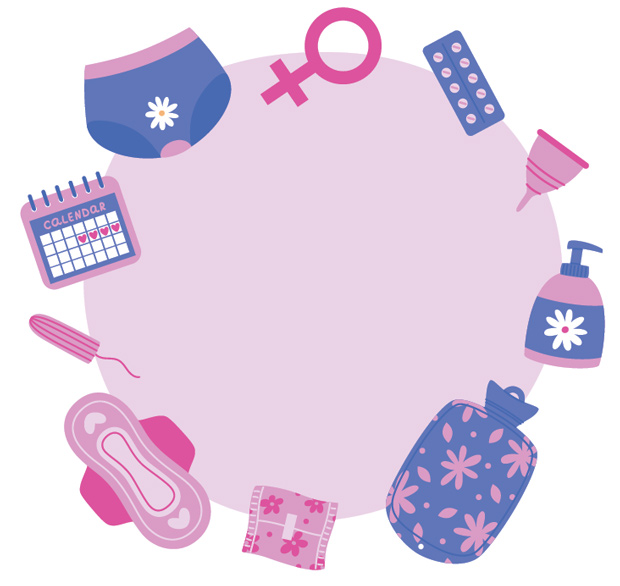 Incorporating sanitary products into standard hygiene contracts, aligning procurement with sustainability policies and ensuring provision across all washrooms make equity part of everyday operations. This not only supports wellbeing but also strengthens ESG outcomes, aligning with growing regulatory expectations around workplace inclusion and responsible business practice. What may seem like a small change sends a clear signal of fairness and organisational care.
Washroom design and ergonomics are equally important in supporting both dignity and operational efficiency. Features such as strategically placed dispensers, clearly visible refill points, slimline hygiene bag systems, and even practical touches like coat hooks in cubicles all contribute to an accessible, discreet and user-friendly environment. When these details are thoughtfully considered, the impact is twofold: employees can manage their needs comfortably and without embarrassment, while facilities teams benefit from easier upkeep and smoother operations. Normalising access to period products in this way helps to reduce stigma, creates a more inclusive workplace culture, and ensures that period equity is delivered in practice.
TURNING ESG POLICY INTO AN EVERYDAY EXPERIENCE
Period equity isn’t just about access – it’s also about the values reflected in the products provided. The choices organisations make can show that care for people and care for the environment go hand in hand. For example, supplying biodegradable, plastic-free, or organic sanitary products reduces waste while showing employees that their wellbeing is supported in ways that also respect the planet. This demonstrates that dignity, inclusion, and sustainability are not competing priorities but aligned goals. In this way, period equity becomes more than a wellbeing initiative. It becomes a lived expression of ESG in practice, reflected through the everyday hygiene choices that support the needs of modern workplaces.
A SMALL STEP WITH A BIG IMPACT FOR PERIOD EQUITY
Embedding period products into facilities is a small change that delivers wide-reaching benefits. It helps people feel supported, removes unnecessary stress, and makes the workplace more inclusive. For businesses, this strengthens ESG credentials and contributes to a culture where people feel supported and respected.
Access to hygiene should never be a barrier to participation and facilities managers are key to delivering these outcomes. By making period equity part of everyday operations, they reduce avoidable disruption, support employee dignity, and demonstrate how facilities management contributes to a healthier, more inclusive, and well-run workplace.