 FMJ Facilities Management magazine providing industry-specific intelligence to FM and property professionals

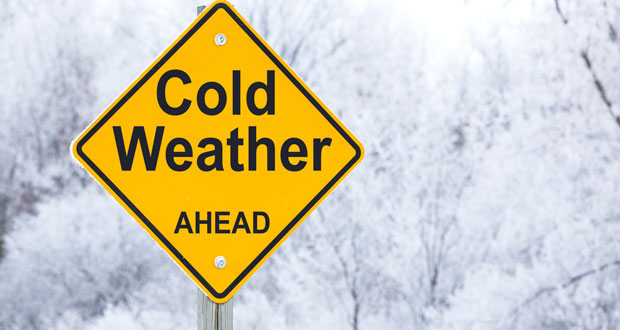
With new snow and ice warnings issued, as well as yellow weather warnings covering the majority of the country, it looks set to be a cold, miserable few days for the UK. Flood warnings are also still in place across the country, following the wettest January on record for some parts of the country, creating a high-stakes situation for many UK businesses
We caught up with Mike England, UK Rental Manager at Daikin Rental Solutions, to discuss which sectors are most at risk and what we can do to stop the bad weather affecting profit.
Are we woefully underprepared?
“The Climate Change Committee has been very vocal about the UK’s lack of readiness for extreme weather, of the kind we’re now seeing. The ongoing storms and floods we’re set to see over the next few days and beyond will likely act as a wake-up call for many.
“With treacherous conditions set to continue well into the weekend, with yellow snow and ice warnings covering almost the entire country, we should expect some disasters left in the wake of this terrible weather!
“We have already seen a 40-day stretch of continuous rain in some areas of the UK this January, with the Met Office claiming that extremely wet winters – previously thought to be an event that occurred once every 80 years – will now occur once every 20 years.
“So, with ever-more difficult conditions on the way, coupled with more flooding, deep freezes and the potential for power cuts, we’ll see a whole new set of issues rear their ugly heads – especially for sectors more reliant on temperature regulation than others.”
Workplace temperature worries
“With fewer than three in 10 UK adults working a hybrid model (mixing time spent in the office with work done from home) at the start of 2025, the reality is that most of us are still making the daily trip into the office, rather than logging in from the kitchen table.
“With the oncoming arctic blast leading to plummeting temperatures across the country, employers should be thinking beyond the morning commute. Staff are likely to arrive having battled icy roads and extreme rain. The workplace needs to feel like relief, not an extension of the outdoors.
“While government guidance sets a minimum workplace temperature of 16°C, this tends to be nowhere near warm enough for many. In fact, nearly two thirds of employees describe their office as uncomfortably cold, with over four in ten resorting to wearing coats and scarves at their desks.
“A further 15 per cent of employees admit to plugging in personal heaters or even cutting their day short because of the lack of adequate heat. If businesses want to maintain morale and productivity during the cold snap, ensuring the office is properly and efficiently heated should be a priority, not an afterthought.”
Critical care concerns
“While severe weather unsettles communities at large, it poses particular operational challenges for those working in emergency response and critical care settings. Crucially, NHS hospitals are required to restore essential systems within 15 seconds of a power failure to safeguard patient care.
“This resilience is vital, especially given that many NHS Trusts were operating at close to 95 per cent bed capacity towards the end of last year. A sustained cold spell will only intensify this pressure, leading to both increased patient demand and strain on staff and systems.
“Even where hospital infrastructure is robust enough to withstand outages, the wider impact of severe weather can drive a surge in admissions. Power cuts in residential areas, cold-related illnesses, and injuries caused by snow and ice all contribute to heightened demand during storm conditions.
“Care homes and other residential health facilities must also ensure they have reliable backup power solutions. For residents who are medically vulnerable or dependent on electrically powered equipment, maintaining stable temperatures and uninterrupted access to essential devices is essential when it comes to preserving health and avoiding life-threatening situations.”
Food for thought
“Power outages can cause immediate headaches for businesses in the food and beverage sector. For cafés, restaurants, and food production facilities alike, a sudden loss of electricity can quickly translate into not only spoiled stock but also lost revenue.
“In my experience, periods of severe weather correlate to a spike in emergency power failures, which can be catastrophic for factories and food production facilities, especially when operations rely heavily upon refrigeration and electrical equipment.
“To avoid costly disruptions, it’s crucial to have a contingency plan in place. Investing in a reliable backup generator and ensuring all fridges, freezers, and industrial chillers are operating at peak efficiency can help businesses stay ahead of problems before they escalate, safeguarding both inventory and income.”
Battle the weather with our top tips
Want to keep your workplace safe during the increasingly common spells of bad weather? Take a look at Mike England’s top tips:
- Maintain a steady temperature: Instead of constantly adjusting the thermostat from hot to cold, keep your office at a consistent, moderate level that suits most employees. This helps prevent frozen or burst pipes and keeps the environment stable.
- Prepare for emergencies: Make sure you have emergency lighting in place and that all access routes are clearly illuminated. This is particularly important for staff arriving early or leaving late, ensuring everyone can move around safely, even if the power goes out.
- Grit your entrances and exits: Keep a bucket of grit near doors and outdoor walkways. Encouraging staff to spread it when needed can significantly reduce slips and falls in icy conditions, keeping everyone safe on their way in and out.
- Check in with your team: Storms and icy roads can make commuting hazardous. Encourage employees to speak up if travel is difficult, and consider flexible working arrangements where possible. At the office, provide extra warmth with portable heaters, heated pads, or other measures so everyone can stay comfortable at their desks.
- Promote movement during the work day: Sitting still for long periods makes the cold feel worse and can even affect circulation. Encourage staff to take regular breaks to stretch or walk around, whether it’s a trip to the kitchen or an on-the-go meeting, to keep energy and warmth up throughout the day.