 FMJ Facilities Management magazine providing industry-specific intelligence to FM and property professionals

After months of cold temperatures, rainfall and increased footfall, winter is likely to have left its mark on commercial and industrial facilities. Yet many issues remain hidden beneath standing water or temporary fixes.
Spring presents facilities managers (FMs) with a valuable opportunity: a safer, more predictable window to assess the true impact of winter weather and take action. With improved visibility, milder temperatures and reduced operational pressures, now is the ideal time to inspect, repair and protect surfaces across a site.
The hidden impact of winter weather
Winter conditions can be deceptively damaging. Freeze-thaw cycles cause expansion and contraction in concrete and asphalt, leading to cracks, spalling and potholes. Moisture ingress can weaken substrates, particularly in older floors or external surfaces with compromised seals. De-icing salts and grit from the winter, while essential for safety, can also accelerate surface wear and erosion.
Entrances and walkways see increased footfall as people track water and debris indoors, raising the risk of slips and trips and wearing floor finishes. Loading bays and car parks experience additional strain from vehicle movements on wet or frozen ground too.
During winter, many of these issues are temporarily patched or simply monitored due to weather constraints and time pressures. It is only once conditions improve and peak season that the full extent of deterioration becomes visible.


Why spring is the ideal inspection window
Spring offers longer daylight hours, improved visibility and more predictable weather conditions, making it the most practical time for thorough inspections. Roof access becomes safer, external walkways are no longer obscured by ice, and standing water is less likely to mask underlying damage.
Milder conditions also allow a wider range of repair and resurfacing materials to be applied effectively, reducing delays and helping repairs cure properly. Warmer temperatures can significantly reduce the curing time required before an area becomes operational again, making spring an ideal time for larger repair and painting jobs.
For FMs, this means fewer safety restrictions, less disruption and greater flexibility when scheduling maintenance work.
 Identifying hotspots and hidden risks
A structured spring inspection should focus on high-risk, high-traffic areas.
Entrances and lobbies often suffer from worn finishes and reduced slip resistance after winter. Once tracked-in dirt and grit are removed, areas of surface polishing or coating wear often become visible, highlighting an increased risk of slips. Applying a high-performance anti slip coating such as Watco Safety Coat can restore surface texture and improve safety in internal areas. Whereas Watco Asphalt Paint Anti Slip is ideal for increasing grip underfoot on external walkways.
Loading bays and service yards should be examined for cracks, potholes and joint deterioration caused by freeze-thaw cycles and heavy vehicle movements during peak season. Fast-drying repair materials such as Watco Concrex® Carbon Fibre provide a heavy-duty, impact-resistant solution for damaged concrete surfaces with minimal downtime.
Car parks and external walkways are particularly vulnerable to water ingress and surface erosion. Drainage channels should be checked to ensure they remain clear and effective, as poor drainage is a common cause of recurring surface damage. Once surface damage has been taken care of, Watco Roadmarker can be used to refresh traffic lines, maintaining compliance and safe vehicle movement.
Plant rooms and internal service areas may reveal condensation-related issues, minor leaks or chemical exposure damage that went unnoticed during winter’s operational pressures. Protective coatings such as Watco Plant Room Coating can provide a durable, chemical-resistant finish suited to demanding industrial environments.
Spring is also the right time to assess whether additional protective measures could improve year-round resilience – such as restoring slip resistance, repairing small defects before they worsen, or upgrading worn floor surfaces.
Understanding the true cost of winter damage
Surface degradation is not just cosmetic. Damaged floors and external areas increase accident risk, drive reactive repairs and contribute to unplanned downtime.
Emergency repairs and areas of the facility having to be cordoned off often costs far more than planned maintenance. There is also the operational impact of inaccessible entrances, restricted loading bays or disrupted workflows.
By carrying out a comprehensive spring assessment, FMs can identify priorities early and address issues before they escalate.
Fast-curing, low-disruption repairs
One of the most significant developments in surface repair is the availability of fast-curing formulations designed specifically to minimise operational disruption.
Rapid-setting materials such as Watco Flowpatch® allow for quick and effective filling of holes, addressing surface damage in concrete floors. Many Watco repair products can withstand traffic within hours, enabling work to be completed overnight, during quieter periods or around existing operational patterns with the right planning.
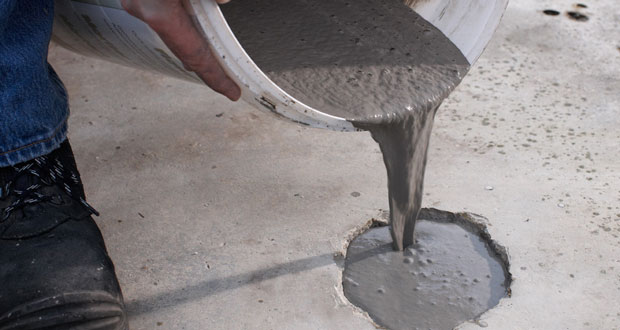
Spring’s favourable conditions further support efficient curing, making proactive maintenance easier to schedule without affecting day-to-day operations.
Preparing now for next winter
Spring maintenance should go beyond fixing visible damage. Improving drainage, reinforcing vulnerable joints and upgrading slip resistance in key areas all help protect surfaces against future weather.
Addressing minor cracks early, applying durable coatings and introducing anti slip solutions to external walkways and steps can significantly improve long-term performance while reducing repeat damage.

From reactive to proactive maintenance
Spring provides a natural checkpoint in the facilities management calendar. Rather than always responding to problems as they arise, FMs can use this period to restore the facility’s surfaces after winter, and implement a structured, proactive surface maintenance programme.
This might include scheduled inspections, prioritised repair plans, lifecycle assessments, using maintenance checklists and planned upgrades using specialist repair mortars, coatings and resurfacing systems tailored to each environment.
As temperatures rise and daylight extends, now is the time to step back, survey your surfaces and put a proactive plan in place. A well-executed spring maintenance strategy doesn’t just address winter’s wear and tear, it lays the groundwork for a safer, stronger facility all year round.
For more practical advice on how we can support you, speak to a Watco expert.