 FMJ Facilities Management magazine providing industry-specific intelligence to FM and property professionals
 Say goodbye to cumbersome clipboards. Erol Ayvaz, CEO at Serve First explains how AI is modernising FM compliance and cleaning audits
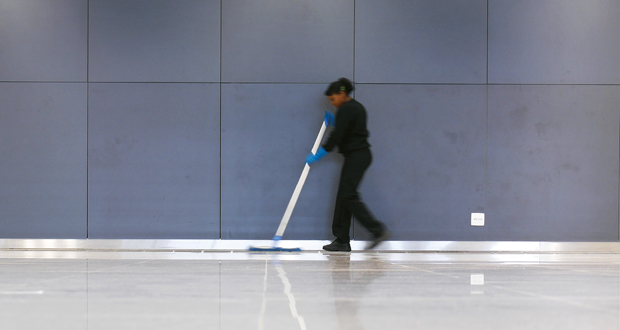
Walk into almost any building at the crack of dawn, and you’ll find the same scene: A cleaner ticks off a paper checklist. A supervisor files it. By the time someone spots an issue, there have been three complaints online. This type of facilities management routine hasn’t changed in decades. But the world around it has.
Regulations are tighter. Budgets are leaner. And customer issues are brought into sharp focus by social media and AI. It’s time to move beyond paper checklists. From Internet of Things (IoT) sensors to digital feedback terminals, AI has shown what compliance and cleaning management can look like. Less reporting. More resolving.
WHAT’S BROKEN TODAY?
Facilities management is full of systems designed to help. However, they often make things harder. Siloed systems and technology platforms that don’t talk to each other, with multiple logins, feedback that lags by days or weeks, cleaning standards that vary wildly site-to-site, with no easy way to prove compliance when you need to.
Meanwhile, on the ground, frontline staff such as cleaners chase tasks without clear priorities, supervisor’s firefight all day and managers drown in online dashboards. The gap between problem and action creates frustration for the customer, the team and ultimately, the business. Slow escalation of paper trails turns small issues, such as blocked drains or empty dispensers, into complaints, reputational damage, and avoidable costs.
WHY AI MATTERS
AI in facilities management isn’t about replacing people it’s about replacing guesswork in favour of a virtual analyst and dispatcher rolled into one. It consolidates disconnected data in real time and spots problems and patterns that can be easy to miss manually. Then it proactively suggests instant actions for the right person at the right time. In cleaning, this creates a digital audit trail of who did what to address which issue, where and when, shifting from routine schedules to responsive schedules to make sure any issues are resolved faster.
HOW IT LOOKS ON THE GROUND
To bring this to life, here are some real-world cleaning cases forward-thinking operators have implemented that make a visible difference:
- Dynamic washroom cleaning: Footfall sensors detect traffic spikes in real time. The AI automatically pings the nearest cleaner’s mobile device, “Extra clean needed in Zone B in 10 minutes”.
- Consumables control: The AI recognises low-stock patterns every Friday afternoon. It automatically adds a soap dispenser refill reminder at 2pm and alerts a supervisor if it’s missed.
- Slip risk management: Weather data and footfall trends flag slip risk alerts. AI schedules an extra mat inspection and surface check. Proof of compliance is captured automatically.
- Mid-shift cleaning gaps: AI links spikes in customer complaints to missed mid-shift cleans and adds micro-tasks to protect standards during busy periods, cutting hygiene-related complaints.
EMPOWERING FRONTLINE STAFF
Most systems fail because they’re built for managers, not the people on the front line doing the work. AI addresses this by providing role-specific prompts straight to the right person on the right shift, matched to that site’s standards. AI essentially acts as the connective tissue between feedback, brand standards, and action.
Meanwhile, supervisors can see progress in real time, be alerted to missed actions instantly, and support frontline staff at the time. The tone shifts from blame to proactive teamwork.
At Serve First, we’ve seen how this approach works. Our AI-driven platform puts tailored insights in everyone’s hands, from cleaners and supervisors to FM directors. It helps teams act faster and businesses prove compliance, with less time spent managing data and more time managing outcomes.
MAKING COMPLIANCE EASIER TO PROVE
For FM leaders and auditors, AI enables what’s often been missing: a single version of the truth across sites and suppliers. Every clean, check, or inspection is logged automatically with time, date, location, and evidence. Reports build themselves, showing trends over time. Non-conformances trigger follow-ups with clear service level agreements (SLAs) and proof of resolution.
When a client, regulator, or senior manager asks for evidence, it’s ready in seconds. Not a pile of paper, but a live record of action. That’s the shift from compliance for compliance’s sake to compliance that has an impact, boosting performance and reducing complaints.
FROM REACTIVE TO PREDICTIVE
AI’s biggest impact may yet be still to come. The more connected the data, the smarter the system becomes, helping FM teams move from firefighting to forecasting. And this isn’t on the horizon – Serve First is already working with the likes of Elior Group and Aramark: the technology is very much here now, and early adopters are already shifting from “what went wrong yesterday?” to “what can we prevent tomorrow?”
The future of FM and cleaning compliance isn’t about collecting data but connecting data. AI won’t replace your people; it will free them to do their best work and fix issues before they become a problem. Because when technology handles the paperwork, people can focus on delivering cleaner, safer, better spaces for everyone.