 FMJ Facilities Management magazine providing industry-specific intelligence to FM and property professionals

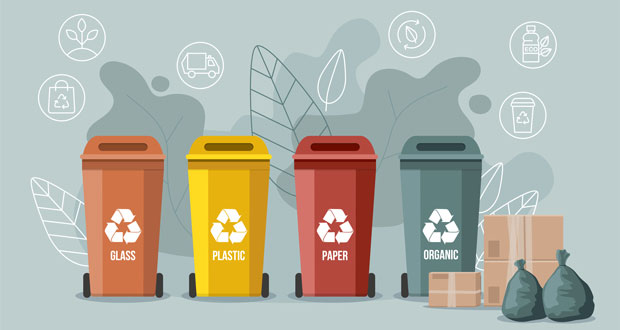
Regulatory reform, digital oversight, and growing expectations around sustainability are actively reshaping how waste is collected, treated, tracked, and reported in 2026.
Graham Flynn, Managing Director of independent healthcare waste management company, Anenta, outlines the key trends for the waste management sector to watch and explains how new regulations are driving greater transparency, consistency, and environmental accountability.
1. Digital Waste Tracking
Digital Waste Tracking, led by DEFRA, represents one of the most significant regulatory changes in a generation. From October 2026, waste receiving facilities will be legally required to record waste movements digitally, with brokers, dealers, and waste carriers following from April 2027.
This system will replace paper-based documentation with real-time tracking from production to final treatment or disposal. For the sector, this will enhance data accuracy, reduce administrative duplication, and make waste crime more difficult to conceal. However, it will also require investment in systems, staff training, and stronger data management, particularly for smaller operators.
2. Simpler Recycling reforms
Simpler Recycling regulations in England began on March 31, 2025, requiring larger businesses to separate dry recyclables, food waste, and general waste. In 2026, the household roll-out marks the shift from policy to everyday practice, bringing significant changes to collection services and material flows across the waste industry.
A key development is the requirement to introduce kerbside plastic film collections for households, businesses, and relevant non-domestic premises by 31 March 2027. Plastic film has historically been difficult to capture and recycle due to contamination, low weight, and limited end markets.
Waste operators will need to adapt vehicle configurations and collection rounds. At the same time, materials recycling facilities will face increased pressure to invest in upgraded sorting equipment capable of handling flexible plastics without compromising output quality.
3. Extended Producer Responsibility
Extended Producer Responsibility continues to reshape the waste landscape by placing greater financial responsibility for packaging waste on producers. As the system develops through 2026, cost signals are expected to become clearer and more influential.
These changes are likely to affect the type and volume of packaging entering the waste stream, with increased emphasis on recyclability and material reduction. For waste management companies, this has implications for collection contracts, sorting requirements, and long-term infrastructure planning, particularly as packaging formats evolve in response to producer obligations.
4. Landfill tax and enforcement
The Government’s recent Budget confirmed that the two landfill tax rates will remain in place, giving commercial, construction, and demolition waste producers more certainty over costs.
Alongside this, there will be tighter controls on how waste is classified, particularly soils and construction materials. Businesses should expect more inspections, more scrutiny on paperwork, and stronger enforcement. As a result, waste producers and contractors will need to review testing, documentation, and contractor management to ensure compliance and avoid costly reclassification or enforcement action.
5. Sustainability reporting expectations
Although sustainability reporting is not yet mandatory for waste management providers, it is rapidly becoming a standard commercial expectation. Many clients now require detailed reporting on recycling performance, carbon impact, and treatment routes as part of supplier due diligence and ongoing contract management.
In 2026, operators that can produce clear, credible, and auditable sustainability data will be better placed to win and retain contracts. Understanding volumes, costs, and regulatory obligations transforms the importance of correct segregation from an abstract principle into a concrete operational priority.
Those without the systems or data to support this level of reporting may find themselves at a disadvantage, even where regulatory compliance is otherwise strong.
Final thoughts
Taken together, these developments point to a waste management sector in 2026 that is more transparent, more closely regulated, and increasingly driven by data. Digital tracking, evolving recycling requirements, and rising expectations around sustainability are raising standards across the industry.
Those that invest early, adapt their systems and engage proactively with change will be best placed to navigate the evolving regulatory landscape and meet the demands of clients, regulators and the wider public.
According to the 2026 UK Facilities Management Market Research Report by askporter, facilities management professionals want clear, verifiable evidence of work being delivered, with teams that can communicate progress in real time. This requires technology that is affordable, intuitive, and quick to adopt.
Yet the report found that:
Over three quarters of FM professionals (76 per cent) experience operational inefficiencies caused by siloed software which results in a lack of real-time visibility.
Communications challenges lead to maintenance issues, with 73 per cent of teams being forced into reactive problem-solving on a weekly basis.
A worrying level of compliance gaps, with 44 per cent of admitting that half or less of their compliance tasks are tracked and automated within their systems.
Closing this gap requires the establishment of transparent and consistent communications using affordable software that gives FM teams the ability to track, evidence and improve their services.
This webinar provides a valuable overview of the main findings of the report by askporter followed by a panel discussion by FM thought leaders on practical, strategic solutions that can help close this communications gap.
To register for the webinar taking place 29 January 2026 at 11:00am click here.