 FMJ Facilities Management magazine providing industry-specific intelligence to FM and property professionals

THE OVER 55S
A 2024 Robert Walters report found that 73 per cent of employees over the age of 50 feel overlooked for promotions, and 59 per cent of those believe their age stops them from being considered for training. How can leaders change this and harness the skills and loyalties of older colleagues?
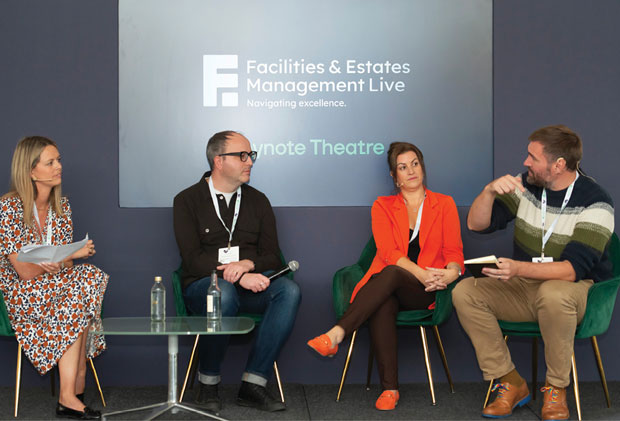
Hulbert shared how upon founding Pareto, they hired a lot of people in their early 50s who had experienced a career, made a lot of mistakes, had their kids, and had time to give back. “For me, over 50s have so much life experience that they’re able to bring a level of calmness and consistency to the role. Additionally, most people will be working until they’re 65 or 70 now so there is whole other career you can have when you get into your 50s.” However valuable they are to the workforce, the reality is that they are sometimes overlooked and people can be ageist. His tips to help curve this are removing your date of birth from your CV and perhaps your earliest work experiences if it was some time ago. Remove the option for people to have those prejudices.
BRIDGING THE GAP
Hayes suggested that businesses should implement mentorship in order to bring the generations together. “Have the older colleagues be mentors to the younger ones as they bring so much experience, calmness and a great wealth of knowledge. It’s something that has helped me in my career.”
Mentoring is beneficial to both sides of the exchange not just the individual who is at the beginning of their career. “I have done a lot of mentoring, about 100 people now,” said Hulbert, “and I got so much more out of it by being the mentor. Yes, you’re there in a mentoring capacity, but you’re sharing knowledge with each other and it’s the incidental stories and chats that can share that tacit knowledge.”
The panel also highlighted that when colleagues or the whole team are in the office, making the most of the opportunity for connection and collaboration is important. Whether that’s knowledge sharing, getting that sense of community or just human connection that is often craved when working remotely. Chair Lauren Stirling added that there isn’t much point going to the office just to sit on teams calls all day and not speak to anyone.
LOOKING TO THE FUTURE
Stirling asked each member of the panel for their one piece of advice for employers looking to make their workplaces truly multigenerational.
Steven O’Leary stated: “Ask employees what they want. Unless you ask your people how they feel about a space, about where they work, what they want it to look like etc. it will fail. As an employer you must understand what your employees want from a workspace and go from there.”
Lucy Hayes agreed and added: “Treat them as individuals, wellbeing in the workplace across generations is situational, it’s not just about generational trends.”
Andrew Hulbert explained: “It’s about understanding that the workforce is getting older, as well as redesigning office space, and culture at work. Additionally, how we accommodate the kids coming in who have a different view of things.”
CONCLUSION
The discussion closed with Stirling highlighting that while generations bring different experiences and expectations, the best workplaces don’t focus on age, they focus on belonging, flexibility, and they focus on purpose. “Whether it’s rethinking how we design the workspace, create inclusive policies or simply how we listen to people- it’s about making sure everyone, whatever their life stage, feels valued and part of something bigger. A huge thank you to the panel.”