 FMJ Facilities Management magazine providing industry-specific intelligence to FM and property professionals

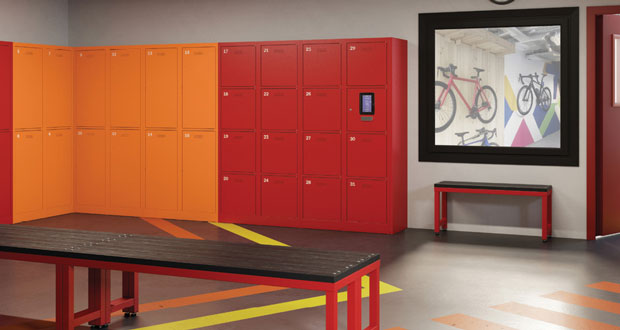
End-of-route facilities are defining the commute. Madeleine Ford explores how the right infrastructure can combine smarter storage, better wellbeing and stronger sustainability outcomes
End-of-route facilities have undergone a quiet but significant transformation over the past five years. Once viewed as a functional add-on, somewhere to hang your coat or store your bike throughout the working day, they are now a critical component of workplace design. The right end-of-route facilities influences everything, from commuting choices, employee wellbeing and sustainability performance. How and where individuals store their belongings is directly linked to how they feel, and whether they choose to come into the office at all. These spaces aren’t just operational, they are strategic assets that shape how a building performs, both commercially and experientially.
A CHANGING LANDSCAPE
There has been a shift in demand over the past five years, which has not just increased but diversified. As workplaces evolve and new generations enter the workforce, employers are increasingly recognising how important it is to provide a smooth transition from the commute to the working day.
Hybrid working has had a huge impact in reshaping how storage is used, there is no longer a need for permanently assigned lockers as employees are most likely not commuting into work five days a week. This is increasing year-on-year says Richard Blizzard, Head of Design at Frem Group: “As more employees come back to the office, there is more demand for flexible storage solutions.”
A major shift in end-of-route facilities according to Justin Sires, Founder & Managing Director of Five at Heart, is that it’s no longer just about cyclists. There is now a much broader use across the building community, with runners, gym users, and the culture of pre-work and post-work activity. He explains how storage demand has expanded into micromobility to accommodate for the rise of e-bikes, scooters and hybrid transport modes which require secure, convenient storage close to the point of arrival.
SHAPING COMMUTING PATTERNS
Get end-of-route storage correct and you actively shape commuting patterns says Sires. Simply, people will choose active or alternative transport when the amenity is “high quality, diverse in offering, and reliable in availability. If users can’t access a space when they need it, or the experience is poor, behaviour quickly reverts,” he continues.
“Storage provision can directly influence whether employees feel able to choose active commuting options,” says Shaun Reaney, BeSmart Technology Officer. Cycling or running to work requires equipment, weather appropriate clothing and somewhere to store personal belongings during the day. It is important that employees are provided with the facilities needed to make the active choices if they wish to, and feel their items are being stored safely and securely. “Providing lockers alongside showers and changing facilities removes many of the practical barriers that might otherwise discourage these commuting choices,” says Reaney.
It is the day-to-day user experience that ultimately determines whether end-of-route facilities succeed or sit unused. These spaces shape how people start and end their day, which has a direct impact on the overall perception of the workplace. When integrated effectively, storage systems become an invisible but essential part of the workplace ecosystem, quietly supporting the needs of employees.
“It’s not just a bike rack, it’s a better day,” is Justin Sires’ way of looking at it. When well done, they reduce friction, support active lifestyles, and create a sense that the building is working with you.
SUSTAINABILITY GOALS
End-of-route facilities sits at the intersection of two major organisational priorities: supporting employee wellbeing and meeting sustainability goals. Encouraging active commuting is one of the most effective ways to improve both. Cycling or running to work contributes to better physical health, supports mental wellbeing, and helps employees transition more positively into the working day. However, without the right infrastructure, these options remain impractical for many.
Additionally, many organisations now have clear sustainability commitments that include reducing emissions along with improving wellbeing. Transport is a major contributor to carbon output, and encouraging low-carbon commuting options is a tangible way to address this.
“Active travel policies and ESG commitments are now major drivers behind investment in end-of-route facilities”, says Adrian Cowley, Managing Director at Your Workspace. Many organisations are encouraging employees to cycle, walk or run to work as part of their sustainability strategies; however, these initiatives only work when the workplace provides the right supporting infrastructure.
Furthermore, Georgia Tomlin, Compliance and Sustainability Officer at Bisley explains that because of these sustainability commitments, there is an increased interest among buyers about the environmental impact of workplace infrastructure. “There are detailed questions about the materials used, product longevity, and manufacturing processes. Storage solutions are increasingly evaluated as part of a building’s overall sustainability strategy. Transparency around manufacturing, supply chains and environmental performance is therefore becoming an important factor in procurement decisions.”
REMAINING ADAPTABLE
Adaptability is key as commuting habits continue to change, and there are many options out there to allow for this:
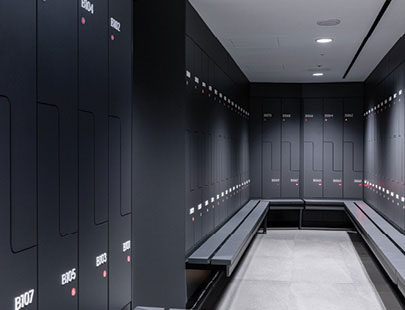
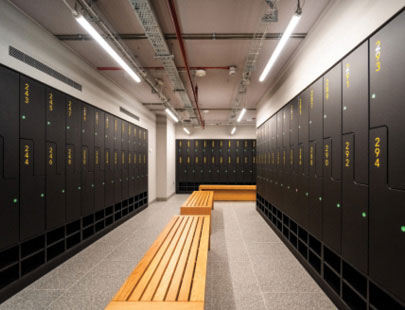
- Modular locker systems allow organisations to reconfigure layouts or expand capacity without significant changes to infrastructure. This ensures storage areas can evolve alongside building occupancy or employee needs.
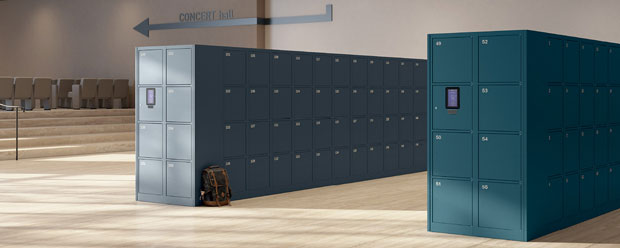
- Digital locker management systems also allow businesses to adjust allocation rules, user permissions and access remotely through software rather than physical changes.
- Scalable systems ensure storage capacity can grow alongside increased demand for active commuting or changes in workplace attendance patterns.
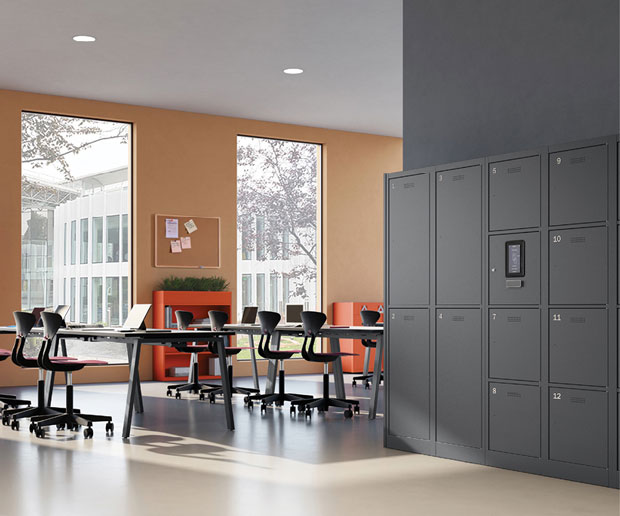
- Providing a mixture of locker sizes and flexible configurations allows storage areas to accommodate a variety of items, from work bags and laptops to cycling equipment or sports gear.
Reaney says providing a variety of locker sizes further supports different commuting styles, user needs and behaviours, whether employees need to store bags, helmets, equipment, or personal belongings during the day:
- Dynamic locker management systems allow lockers to be assigned based on user groups, access permissions or booking requirements. This enables storage to be shared efficiently rather than remaining permanently allocated.
- Configurable locker groups and usage rules can also prevent lockers from being occupied unnecessarily, ensuring availability across the building.
NON-NEGOTIABLES
While there are many ways to approach end-of-route facilities, certain principles should be considered non-negotiable.
Adrian Cowley:
- A common mistake is underestimating how much storage is required or treating end-of-route areas as secondary spaces.
- Reducing locker capacity or specifying lower-quality products may reduce initial costs, but it often results in poor user experience and higher long-term replacement costs.
- Durability, flexibility and ease of use are areas where organisations shouldn’t compromise.
Shaun Reaney:
- Prioritising lower upfront costs by selecting basic or manually managed locker systems, however, this can create long-term operational inefficiencies.
- Digital locker systems help to optimise utilisation and reduce the need for facilities teams to intervene in day-to-day storage management.
- Avoid compromising on durability, security, and ease of use. Storage infrastructure is expected to perform reliably for many years, making robust systems and intuitive user experiences essential.
Richard Blizzard:
- Locker hardware is something many organisations compromise on. Instead of saving money with a manual combination lock, there are smarter digital systems that allow great flexibility, like data collection and smarter public mode options.
- Locker size is also frequently compromised on – most will go for square locker doors everywhere for simplicity. However, multiple size locker doors can allow flexibility for all items that might need to be stored and will save space. Locker storage does not have to be boring, get creative with it.
Justin Sires:
- Quality should not be compromised, particularly during value management. Where this becomes a problem is in the tactile, user-facing elements – bike parking systems, lockers, core amenities.
- Alternatives can look comparable on the surface, but performance is very different and compromise can cause huge long-term impact.
CONCLUSION
“The best workplaces now recognise that the employee journey starts long before someone reaches their desk,” says Adrian Cowley. End-of-route facilities are no longer an afterthought tucked away in a basement; they are a core part of the building experience. It is key to provide the right infrastructure to enable employees to make commuting decisions that support the organisations sustainability strategies and their own personal wellbeing. If the storage facilities don’t work for the employees, they won’t get used, it’s as simple as that.