 FMJ Facilities Management magazine providing industry-specific intelligence to FM and property professionals
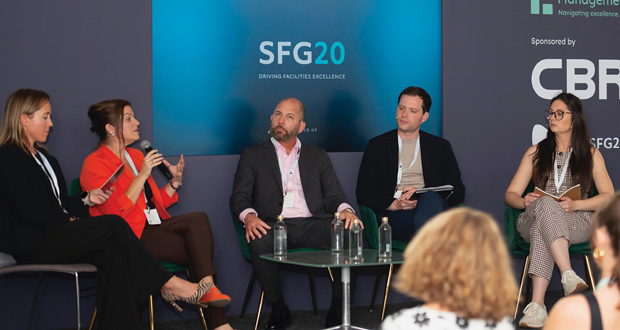
In a panel session at Facilities & Estates Management Live on mental health at work, Sabrina Stubbs, Account Director at Magenta Associates was joined by Hannah Locket, Head of Nutrition at Elior UK, Oliver Hall, National Chair of the British Council for Offices (BCO) NextGen Committee, Lucy Hayes, HR Director at Q3 Services, and Chris Middleton, Director of Major Accounts at Corps Security. Here is a summary of the discussion.
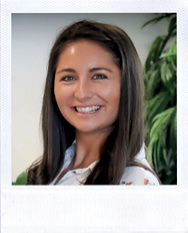 THE NUTRITION EXPERT’S VIEW
HANNAH LOCKET,
ELIOR UK
“The focus on mental health in the workplace is becoming more proactive as opposed to reactive. In the past companies have offered help to those who have needed it at the time, however now we are seeing a real shift in organisations putting initiatives in place to support colleagues before they are experiencing difficulties that may escalate. Additionally, over the last 10 years companies are seeing mental health and wellbeing as more than just a responsibility of the HR department, now it’s organisation wide. This shift has been caused by an increased awareness around the importance of mental health, and I think the pandemic helped with this shift because of the sheer volume of people impacted physically and mentally, so organisations had to respond to that because so much of their workforce was affected. Also, the newest members of the workforce are millennials and Gen Z who are so much more clued up than other generations ever were on the importance of mental health, and when they are looking at where it is they want to go and work, they are looking at what initiatives are in place and using that as part of their decision making.”
 THE NEXTGEN COMMITTEE CHAIR’S VIEW
OLIVER HALL,
BRITISH COUNCIL FOR OFFICES
“The British Council for Offices recently conducted a survey which found that 44 per cent of Gen Z professionals would rather work from home. That is both a physical space thing but also, I think environmental, associated with the workforces themselves, management structures and the way that companies operate. One of the things that we’ve seen change over the last 10 years is the way that spaces are laid out in offices. We at BCO, talk to clients and the HR department is involved from the first briefings. It used to be the FM team and they would bring in a development manager but now it’s the catering, the operations team, it’s all the people that look after the employees and that’s a real positive change that we’re seeing.”
 THE HR DIRECTOR’S VIEW
LUCY HAYES,
Q3 SERVICES
“Mental health in a workplace sits with both the leadership teams and the employees to direct, there is such a mix of people within our workspaces so there’s a responsibility for employees to tell us what they want and how we can help them and be confident to do that. So, we as leadership have got to empower that culture for them to say if they’re struggling, and what they need from their company. We need to encourage that. Leadership teams need to be open to those conversations and making sure we have allowed space for a culture where people are open and honest can grow.”
 THE ACCOUNT DIRECTOR’S VIEW
CHRIS MIDDLETON,
CORPS SECURITY
“They key word here is culture. There has been a shift in the culture of mental health in the last 10 years. However, there is still a stigma, it’s not something everyone is comfortable with talking about. From the leadership point of view, I think it must come from the top, it must be driven by leadership not just with a policy. The EAP is great and can be very useful to people but it’s not good enough to say to people in their time of crisis to refer to the EAP policy or the mental health and wellbeing policy. We’ve also got to lead by example and talk more about it to get the conversation going. But there is still a long way to go.”