 FMJ Facilities Management magazine providing industry-specific intelligence to FM and property professionals

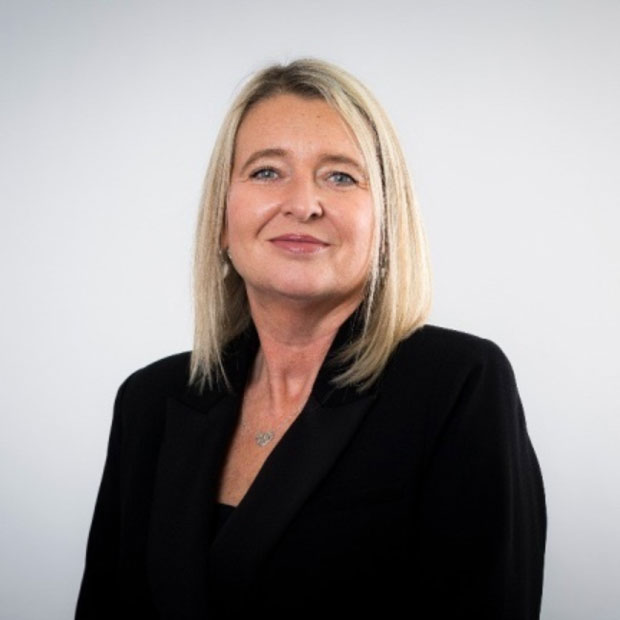
Lorraine Thomas, Business Director at Sodexo Health & Care
Facilities management has always played a critical – if often understated – role in shaping how people experience the built environment. In healthcare especially, FM professionals are central to safety, wellbeing, productivity and dignity, both for patients and for the staff who care for them.
When Lorraine Thomas, Business Director at Sodexo Health & Care, looks back on the first year of Sodexo’s partnership with East Suffolk and North Essex NHS Foundation Trust (ESNEFT), she sees more than a major contract mobilisation. She sees people. Their fears, their resilience, their growth – and the trust they’ve placed in her team.
Thomas led one of the most complex and high-profile mobilisations for Sodexo Health & Care. Over 1,000 colleagues transferred into Sodexo across two acute hospitals and numerous community sites, many experiencing outsourcing for the first time. Each group had its own history, culture and challenges.
The scale of the operation was significant, but for Thomas, the real challenge was cultural. “Facilities management is about people first,” she says. “If you want environments where people feel safe, supported and able to do their best work, you have to focus on trust and belonging as much as on systems and processes.”
Mobilisation as a cultural moment
While mobilisation often focuses on operational continuity, Thomas saw the ESNEFT transition as a defining opportunity to reset how people felt about their workplace. Her first priority was visibility.
She attended every welcome meeting, spoke directly to transferring colleagues, and addressed concerns openly – from TUPE protections to how safety standards would be applied day to day. “People need to understand not just what’s changing, but why. Honesty is key – particularly in environments as complex and pressured as healthcare.”
By putting herself at the centre of those early conversations, Thomas aimed to humanise the process.
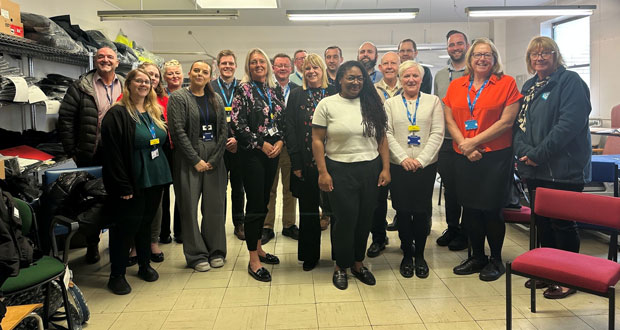
Lorraine Thomas and the ESNEFT team
Safety, standards and shared responsibility
In any healthcare setting, the built environment underpins clinical care. Thomas quickly identified that differences in legacy practices – particularly around safety – required careful handling.
Rather than enforcing change through compliance alone, the focus was on education, consistency and shared understanding. Clear communication, one to one conversations and practical examples helped teams understand how FM standards directly support patient safety, staff wellbeing and regulatory compliance.
Thomas explains: “Once people connect their everyday actions with the wider purpose – patient care, colleague safety, dignity – behaviours change naturally.”
This approach reinforced a sense of collective responsibility for the environment, strengthening both safety culture and team cohesion.
The importance of presence
For FM leaders, Thomas believes visibility on the ground is non-negotiable. She makes a point of walking sites regularly, speaking to colleagues across disciplines and understanding how facilities services are experienced in practice.
“The built environment is where trust is built,” she explains. “You can learn more in 10 minutes on a ward or corridor than you ever will from a report.”
That philosophy extends to wellbeing. ESNEFT’s first Health & Wellbeing Day brought together health and safety teams, learning and development specialists, dietetics, retail and wellbeing partners – reinforcing how integrated FM services contribute to healthier, more supportive working environments.
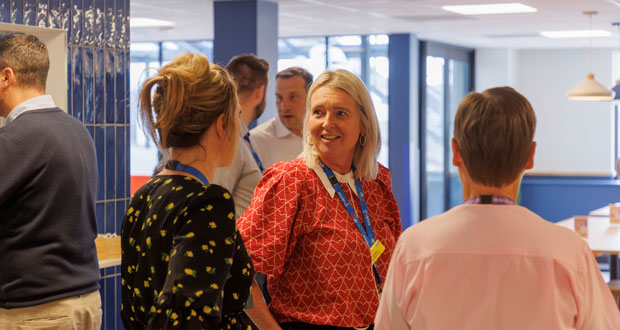
Facilities management as an enabler of belonging
Thomas’ career path – from food services into senior healthcare leadership – mirrors the diversity of routes into the profession. It also reflects a broader truth: FM is not just about buildings, but about enabling people to thrive within them.
Access to apprenticeships, development pathways and opportunities to work across different sites has helped create a more connected, resilient workforce at ESNEFT. These are practical interventions, but their impact is cultural.
“Belonging comes from feeling valued, supported and part of something bigger,” homasT says. “Facilities management creates the conditions for that every day.”
Looking ahead
One year into the contract, the focus has shifted from mobilisation to long term resilience: strengthening leadership depth, embedding sustainable processes and ensuring there are no single points of failure across the operation.
For Thomas, this is where facilities management delivers its greatest value – quietly enabling organisations to function, adapt and care for people consistently over time.
World FM Day: recognising the profession’s impact
As the industry marks World FM Day, Thomas’ experience at ESNEFT highlights the profession’s influence on health, safety, productivity and wellbeing – and its growing role in cultivating belonging through the built environment. “When FM works well, people feel safe, respected and able to do their jobs properly,” she reflects. “That’s something worth celebrating.”