 FMJ Facilities Management magazine providing industry-specific intelligence to FM and property professionals

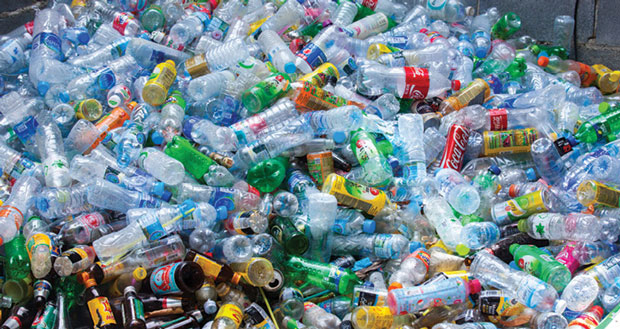
 David Gudgeon, Head of External Affairs at Reconomy brand Eurokey, says Britain’s recycling gap is becoming a growing cost and compliance problem for facilities managers
The UK’s recycling infrastructure challenge is no longer simply an environmental issue. It is becoming an increasingly significant commercial problem for facilities managers and businesses across the waste chain.
A wave of reforms, including Extended Producer Responsibility (EPR), Simpler Recycling and the Plastic Packaging Tax, is intended to improve recycling rates and increase the recyclability of the materials that businesses and consumers dispose of. But while policy is accelerating, the domestic infrastructure needed to support those ambitions is struggling to keep pace.
The result is a growing disconnect between what businesses are being asked to achieve and what the UK recycling system is currently capable of delivering.
PLASTICS
That challenge is particularly acute for plastics as despite rising demand for recycled material, the UK continues to export substantial volumes of plastic waste overseas due to insufficient domestic processing capacity. At the same time, domestic recycling infrastructure has come under increasing pressure from rising energy costs, transport costs and competition from cheaper virgin plastics and overseas markets.
For facilities managers, this creates the first major problem – higher costs and weaker circularity outcomes.
When the UK lacks the infrastructure to process material domestically, large volumes of plastic must either be exported abroad or diverted into lower-value waste streams. Exporting plastic overseas not only increases carbon emissions associated with transport, slowing the UK’s transition to a circular economy, but it also reduces the value of the material itself.
Lower-quality plastics and poorly segregated waste streams are harder to recycle and less commercially attractive for reprocessors. That means fewer viable recycling routes and higher disposal costs for facilities managers responsible for managing waste contracts across offices, retail estates, logistics sites and industrial facilities.
In some cases, there may simply be no viable domestic home for certain flexible plastics at all. This creates a second and potentially much larger challenge – regulation.
RECYCLING INFRASTRUCTURE
Facilities managers now need to think carefully about how upcoming policy changes could materially increase the cost of disposing of lower-quality or non-recyclable plastics.
The UK Emissions Trading Scheme is expected to expand to include waste incineration from 2028. If implemented as planned, businesses sending plastic waste for incineration could face significantly higher disposal costs, especially those overseeing large waste volumes.
Poorly designed or difficult-to-recycle materials are more likely to end up being incinerated if recycling infrastructure cannot process them effectively. As regulations tighten, businesses will increasingly face pressure to understand not only how much they recycle, but how recyclable their materials genuinely are.
But this is also where better domestic recycling infrastructure can deliver major benefits.
Investment in innovative UK recycling and pelletisation facilities like Eurokey’s can significantly improve the quality and value of recycled plastics. Higher-value recycled outputs create stronger end markets for domestic material, allowing recyclers to offer better commercial arrangements.
This would have a meaningful impact on FMs. Better infrastructure means more materials can remain within the UK recycling system rather than being exported, improving circularity by keeping valuable resources in circulation domestically and reducing carbon emissions.
It also creates the potential for lower disposal costs, improved returns and stronger long-term recycling partnerships. Higher-quality recycled material is inherently more valuable, helping create a more commercially sustainable recycling market that benefits both reprocessors and the businesses supplying material into the system.
It gives businesses greater confidence that materials are genuinely being recycled and reprocessed into valuable secondary resources rather than simply exported out of sight, limiting reputational risks.
CIRCULAR ECONOMY GROWTH PLAN
However, unlocking this opportunity requires long-term policy stability and strong guidance from government to encourage investment into UK recycling infrastructure. While significant reforms have been introduced to promote plastics recycling, the policy framework supporting domestic infrastructure investment still lacks this certainty.
That is why the forthcoming Circular Economy Growth Plan is so important. The plan presents an opportunity to establish a clear long-term roadmap for recycling infrastructure investment, helping stimulate domestic processing capacity, strengthening circularity and reducing our reliance on exports and virgin plastics.
Without that certainty, investment risks stalling at precisely the moment the UK needs additional capacity to support tougher recycling and carbon reduction targets.
Facilities managers, meanwhile, risk being left to absorb the rising costs of a recycling system that lacks the infrastructure to support its own ambitions.
If the UK is serious about building a circular economy, it must ensure valuable plastic materials are not just collected – but retained, processed and reused here in the UK.