 FMJ Facilities Management magazine providing industry-specific intelligence to FM and property professionals

COLLABORATION IN CATERING
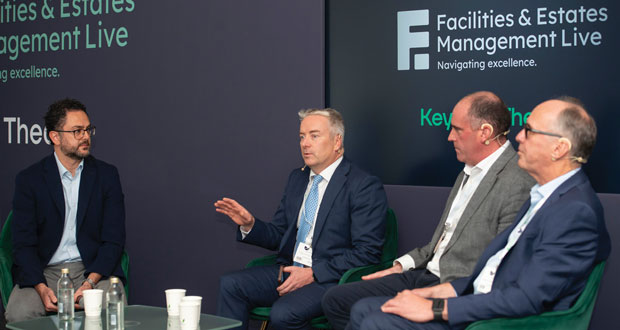
With the right partnership being crucial, Zangana asked the panelists to reference some examples where collaboration has worked along with times when a lack of collaboration has led to issues.
Taking on the positive example Crew described how Hogan Lovells is moving from its main office in Holborn viaduct in 2027 which resulted in one of the two retail units’ underneath being left empty.
He said: “With just two years left on the lease we were never going to get a provider to come in and take a lease for such a short period – so Angus and I came up with this crazy idea that we would open a coffee shop that’s a social enterprise. It’s called Nova and it is in collaboration with the Luminary Bakery, but we offer the space rent free. We provide some of the services that we already provide within the building to maintain that space, and Bartlett Mitchell then run that as a social enterprise, not for profit.”
Where catering partnerships can go wrong said Fris is usually where: “somebody writes a tender, passes it out to a number of bidders who come through a remote source and not through a framework – none of whom know the culture of the company. They’re locked out of the communications with no bidders meeting or site visits – just the data pack.
“There may be some experts somewhere along the line looking at various aspects of the qualitative bid, but even then, in those circumstances, most of the stakeholders including the people who know what is required are probably kept on the outside.
“The bid goes to somebody with the best score for the lowest price, and then you’ve got a five-year contract, and it all goes horribly wrong. The customer doesn’t want the supplier there and both parties spend the next five years trying to make the thing work, draining resources, and feeling very negative.”
On the positive side of this he added, when clients go through a situation like this, it gives them and the catering consultant the opportunity to start again, start from scratch and manage the next foodservice contract with a more vested collaborative approach.
A CHANGING LANDSCAPE
Bringing the discussion to a close Zangana asked the panel what do people need to be equipped with moving forward to deal with how catering is changing? What kind of skills are required?
Fris re-emphasised the importance of a partnership approach between all parties which fosters a fair and transparent relationship. Crew agreed, adding that it is important that clients keep their minds open and are clear on not only what they want but can articulate that back to the caterer to give them the opportunity to be as innovative as possible.
“A trusted advisor will always highlight what’s going on and why and how this could impact the foodservice” he said.
Brydon added it’s about effectively having an open door – with good communications good interaction and trust.
Summing up the discussion Zangana said that what came through is the whole piece around trust and openness and a willingness to share risks and rewards. Or as Fris concluded: “My take on it is that all the companies can cook great food and can present it well, but it’s the people and the approach which matters most, when you get that right, you’re going to be successful.”