 FMJ Facilities Management magazine providing industry-specific intelligence to FM and property professionals

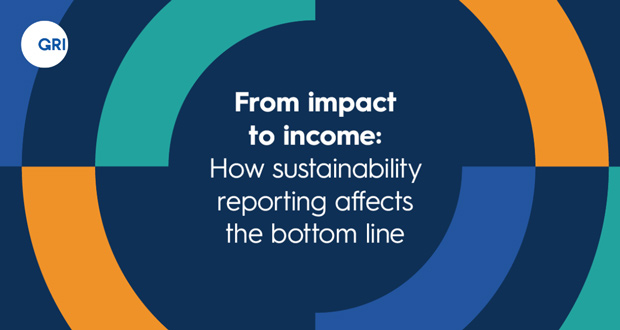
- Twenty-two of the 30 studies demonstrate that sustainability reporting leads to improved financial performance, particularly when aligned with globally accepted standards. Six are mixed or inconclusive, and only two draw a negative correlation.
- Robust reporting using the GRI Standards is linked to reputational advantages – such as increased stakeholder trust, brand loyalty, and employee satisfaction – which can translate into improved access to capital from investors.
- Sustainability reporting provides tangible financial gains, with factors such as sector, size, regulatory environment, and geography all being influential.
- Organisations in high-risk industries – such as energy, mining, and manufacturing – realise the strongest financial benefits from sustainability reporting, reinforcing the value of sector-specific disclosure guidance.
According to the 2026 UK Facilities Management Market Research Report by askporter, facilities management professionals want clear, verifiable evidence of work being delivered, with teams that can communicate progress in real time. This requires technology that is affordable, intuitive, and quick to adopt.
Yet the report found that:
Over three quarters of FM professionals (76 per cent) experience operational inefficiencies caused by siloed software which results in a lack of real-time visibility.
Communications challenges lead to maintenance issues, with 73 per cent of teams being forced into reactive problem-solving on a weekly basis.
A worrying level of compliance gaps, with 44 per cent of admitting that half or less of their compliance tasks are tracked and automated within their systems.
Closing this gap requires the establishment of transparent and consistent communications using affordable software that gives FM teams the ability to track, evidence and improve their services.
This webinar provides a valuable overview of the main findings of the report by askporter followed by a panel discussion by FM thought leaders on practical, strategic solutions that can help close this communications gap.
To register for the webinar taking place 29 January 2026 at 11:00am click here.