 FMJ Facilities Management magazine providing industry-specific intelligence to FM and property professionals

When facilities managers review maintenance priorities, focus often falls on visible internal areas such as floors, entrances, communal spaces and high-traffic walkways. Yet some of the most operationally important parts of a facility sit outside the building itself.
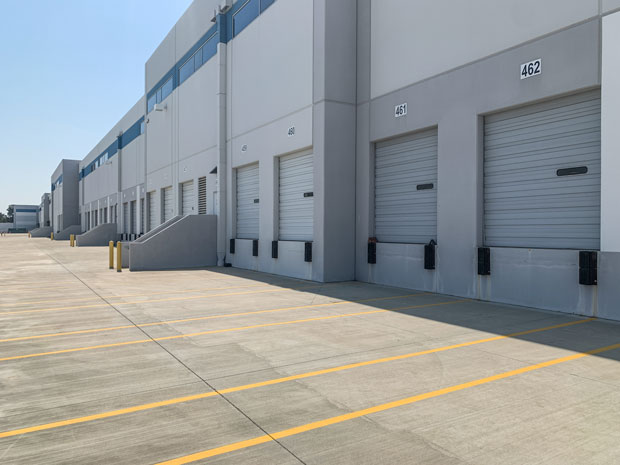
Loading bays, service yards, stairways and access routes all play a critical role in keeping sites functioning safely and efficiently. Yet because these areas are largely operational, they are often maintained reactively rather than proactively.
Summer provides the best opportunity to address weather-related surface damage. Warmer, drier conditions create a safer and more practical window for carrying out repairs before autumn and winter conditions return.
Why external operational areas are often overlooked
One of the reasons external maintenance gets pushed down the priority list is that problems rarely appear all at once.
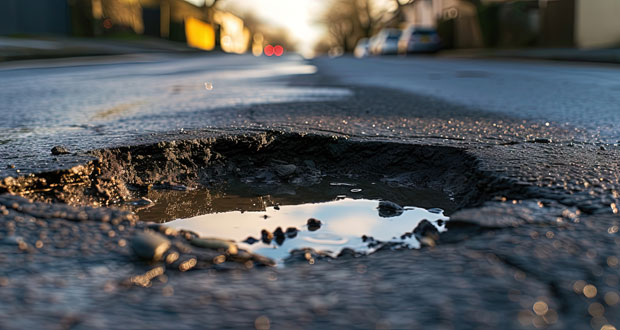
A small pothole in a service yard is often worked around. Faded line markings may still appear usable, while an external ramp losing grip rarely feels urgent during dry weather. Because these issues develop gradually, they become easy to adapt to.
There’s also the operational challenge whereby areas like loading bays, service routes and access roads are difficult to close without affecting deliveries, vehicle movement or day-to-day operations. As a result, repairs are often delayed until the issue becomes too disruptive to ignore.
External operational areas are constantly exposed to rain, UV, vehicle traffic and heavy loads, so over time deterioration becomes unavoidable without a more proactive maintenance approach.
The hidden impact of deterioration
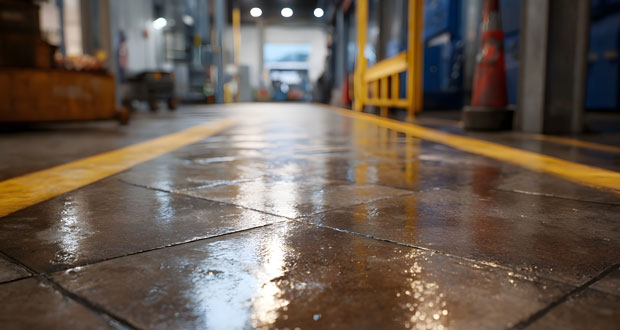
Damaged surfaces can affect vehicle movement, increase wear on equipment and create uneven walking conditions for employees, contractors and delivery drivers. Faded line markings can reduce clarity around pedestrian segregation and loading zones, while worn anti slip surfaces may provide less traction during wet weather or when a liquid is spilled.
Because these areas are heavily operational, problems often become normalised until larger issues develop, many of which could have been prevented with earlier intervention.
Why summer provides the ideal maintenance window
For many facilities teams, summer offers the most practical opportunity to carry out external maintenance work properly.
Drier, warmer conditions make outdoor areas easier and safer to access, particularly loading bays, ramps, roofs and external stairways that can become dangerous during wet or icy weather. More stable conditions also help coatings and repair products achieve better adhesion and curing performance, allowing areas to return to service faster and reducing operational disruption.
However, applications still need to be planned carefully during very hot weather, as direct sunlight and excessive temperatures can reduce working time and affect the final finish.
Summer maintenance is also preventative. Addressing cracks, worn coatings and surface damage now helps protect operational areas before harsher autumn and winter conditions accelerate deterioration further.
Where to get started
Addressing external maintenance issues does not always require large-scale refurbishment projects. In many cases, targeted interventions carried out during the summer months can significantly improve safety and long-term performance across operational areas.
Some of the most common jobs facilities teams choose to tackle during this period include:
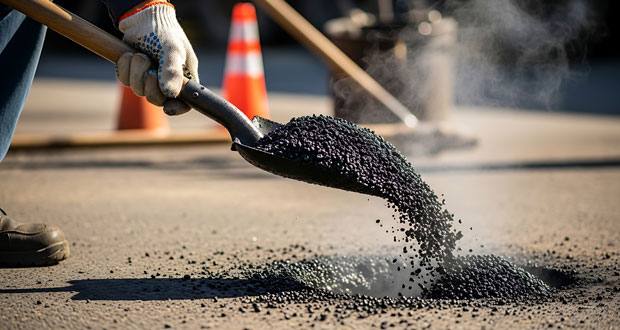
- Repairing potholes in service yards and car parks: areas exposed to constant vehicle traffic and heavy loads are particularly vulnerable to potholes and asphalt breakdown. Watco’s Bitu-Mend® Pothole Repair allows damaged areas to be repaired quickly using a durable repair material that helps restore a safe, level surface with minimal disruption
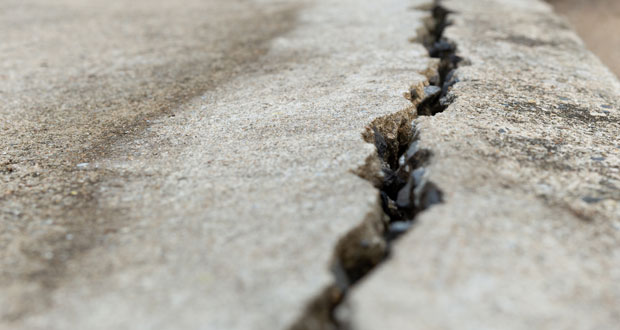
- Repairing cracks and surface damage in loading bays: loading bays experience repeated impact from forklifts, pallets and delivery vehicles, which can gradually lead to worn edges and uneven concrete. Fast-curing repair mortars including Watco’s Flowpatch and Watco’s Concrex® Carbon Fibre – Epoxy Repair Mortar help reinstate damaged surfaces quickly while providing long-lasting resistance to heavy traffic
- Improving safety on external steps and stairways: external stairways can become slippery over time due to rain, algae, surface wear and heavy footfall. Installing GRP step covers such as Watco’s Firm-Step® Heavy Duty GRP Step Covers provide a durable anti slip surface while also improving edge visibility in exposed outdoor areas
- Protecting roof access routes: these areas are often overlooked until maintenance teams or contractors need regular access. Applying Watco Roof Walkway Matting can help create safer designated routes across roofs, improving grip underfoot and helping protect roofing materials from repeated foot traffic
- Refreshing faded line markings and pedestrian routes: zone and line markings in loading areas, service yards and car parks can quickly fade through weather exposure and traffic. Reinstating these routes using durable products such as Watco’s Asphalt Paint Anti Slip or Watco’s Safety Grip helps improve visibility, reinforce segregation and support safer movement around site
These preventative interventions are often far less disruptive and more cost-effective than waiting for external areas to deteriorate further.
Looking beyond the building itself
External operational areas are some of the hardest-working environments across any facility. Yet they are also some of the easiest to deprioritise while day-to-day operational demands take priority elsewhere.
For facilities managers, the summer months provide an opportunity not only to repair visible damage, but also to reassess how these areas are performing under real operational conditions.
For more practical advice on maintaining and protecting external surfaces, visit Watco’s library of guides and resources:
https://www.watco.co.uk/advice/guides-resources