 FMJ Facilities Management magazine providing industry-specific intelligence to FM and property professionals

 What cultural and sporting moments reveal about the future of work
By Jade Boggust, Managing Director, Corporate Services, Sodexo UK & Ireland
Every major tournament exposes the same uncomfortable truth: people will travel, queue and rearrange their entire week for an experience worth having. The modern office, more often than not, doesn’t make that list.
Hybrid working didn’t just change where people work, it changed what they’re comparing the office to. The competitor for many employees’ attention each morning isn’t a rival company’s building – it’s their own kitchen table, their own sofa, their own freedom to watch the match without commuting first.
We know this as people have told us. A recent survey by Matrix Booking found that almost half of employees would feel more positively about their employer if offered flexibility around major cultural or sporting events, a figure that climbs further among workers in cities like London.
The organisations responding well to this aren’t investing in more desks or better Wi-Fi. They’re borrowing from an entirely different industry: hospitality. Spaces are being designed around experience rather than function – communal areas reimagined as destinations, dining reimagined as an occasion, the working day reimagined as something with its own highlights, not just its own hours.
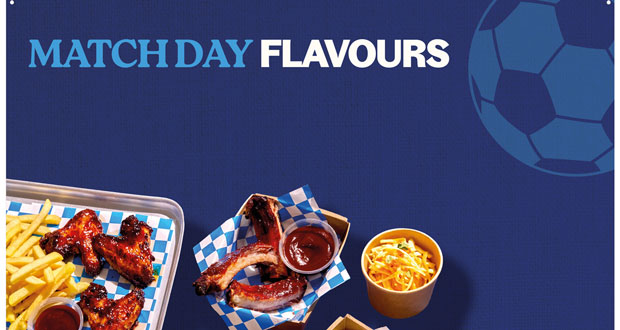
Atriums, breakout spaces and reception areas – typically the highest-footfall parts of any building – are being turned into activation zones: themed pop-ups, special menus, social moments built around large global events are demonstrating the increasing trend towards this hospitality approach for workplaces.
This isn’t a branding exercise dressed up as strategy – it’s producing results that show up in the numbers. Across sites running themed, event-led days, we’ve seen consistently stronger dwell time, higher footfall, and sales 10 to 20 per cent above a standard day. Multi-channel marketing -screens, internal comms, pre-event countdowns – builds anticipation well ahead of the day itself, so employees plan to be there rather than discovering it by accident. External partnerships, especially food trucks and street-food pop-ups tied to cultural moments, widen participation across departments that otherwise rarely mix.
For most of its history, the workplace has been judged on productivity alone – square footage, desk ratios, compliance. Major cultural and sporting moments are quietly rewriting that brief. They’re proving that an office can be both a place to work and a place people actively choose, if it offers something the sofa can’t: shared atmosphere, shared anticipation, shared moments.
The model is already working, and it’s replicable well beyond a single tournament. As organisations keep rethinking what the office is for, the ones that pull ahead won’t be the ones with the most amenities. They’ll be the ones that gave people a reason to want to be there and built a calendar, a culture and a menu around proving it, fixture by fixture.