 FMJ Facilities Management magazine providing industry-specific intelligence to FM and property professionals
 The real estate industry is holding up despite Middle East conflict, geopolitical and global economic uncertainty, according to a new report published by UKREiiF.
The UKREiiF Insights Report, based on a survey by Holistic Insight of 9,626 professionals attending the UK’s largest real estate conference, shows almost two-thirds of the market remain positive. With a degree of increased negativity as well as neutrality, the general sentiment is one of tempered positivity and caution, alongside resilience and determination.
The second edition of the report provides a benchmark of market sentiment year-on-year. In 2025, positive sentiment across the industry sat at 69.5 per cent and this has dropped by 6.4 percentage points in 2026, to 63.1 per cent. Negative sentiment has increased from 6.5 per cent to 9.5 per cent and neutral from 24.0 per cent to 27.4 per cent.
This year, development and funding organisations are the least positive, at 57.7 per cent, falling from 69.4 per cent in 2025. However, in contrast, development and investment ambitions are strong, with nearly two-thirds, 63.9 per cent, expecting to increase activity over the next 12 months.
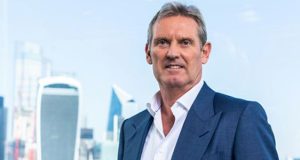
Nathan Spencer, Managing Director of UKREiiF, said: “Positivity has reduced, perhaps unsurprisingly given the current climate, but the market remains committed. From the research and in-depth interviews conducted by Holistic Insight, there appears to be more caution, discipline and rigour in selecting opportunities, alongside an ambition and determination to deliver. The fact that our attendance numbers have also increased by circa 1,000 year on year shows a drive to support momentum too. In a year shaped by geopolitical uncertainty and viability pressures, this level of resilience really stands out.”
This commitment sits alongside an industry worried about feasibility, risk and delivery. 15.4 per cent of all respondents cite viability and development economics as the number one factor shaping investment plans followed by geopolitical uncertainty, and cost of and access to finance. Then follows UK private investment growth, Government housing targets and international investment.
For the public sector, they see most value in engagement from the private sector in terms of attracting investment (25.6 per cent) and delivering large-scale projects (24.6 per cent), followed by financial viability, project feasibility, pipeline certainty and risk allocation and management. Net zero does not feature highly in 2026, coming 7th in the list of priorities.
Among other industry groups, a surprise result perhaps is that construction and supply chain businesses are the most optimistic, with 73.8 per cent reporting positive sentiment, up from 67 per cent in 2025. This is despite 55 per cent of this group also saying they do not expect construction costs to improve over the next 12 months, with lead-in times, margins, materials access and supply chain health all still under pressure.
Agents and asset managers show 69.5 per cent positive sentiment. They provided their predictions on rental, asset and capital values. There is most optimism around rental values, with 52.4 per cent expecting growth over the next 12 months and just 8.8 per cent expecting decline. By contrast, asset values are expected to remain stable, with 51.2 per cent of respondents taking a neutral view. In terms of sales values, 29.5 per cent are expecting growth, 23.8 per cent expecting values to fall, with 46.6 per cent neutral.
Nicola Hanser, Director of Holistic Insight, added: “Overall, the market appears to be resilient in the face of adversity. While confidence has reduced and conditions are more demanding, the intent to act remains stronger than sentiment alone might suggest. The insights show an industry holding firm despite uncertainty.”
UKREiiF has become a must-attend event for the real estate, property and infrastructure sectors. In 2026, it is taking place on 19-21 May at Royal Armouries Museum and New Dock, Leeds City Centre.