 FMJ Facilities Management magazine providing industry-specific intelligence to FM and property professionals

Rising incidents of energy theft are a growing threat to safety and infrastructure, with catastrophic consequences for FMs, warns the Crimestoppers’ Stay Energy Safe division
Rising utility bills, decarbonisation targets, ageing infrastructure and tighter operational budgets have made energy efficiency a board-level priority and is increasing the pressure on facilities managers. Reducing consumption and optimising assets is now core to the FM role, but as financial strain intensifies, a far more dangerous trend is emerging across UK estates: commercial energy theft.
THE SCALE OF THE PROBLEM
Commercial premises including warehouses, offices and industrial units are now seeing some of the steepest rises in confirmed energy theft in the UK. New national data analysed by Crimestoppers’ Stay Energy Safe division reveals that confirmed cases of commercial energy theft have surged by more than 100 per cent since 2022. Triple-digit increases have been recorded across both gas and electricity. For facilities managers, this isn’t just an abstract crime statistic, it’s a direct threat to building safety, operational continuity, and professional accountability.
WHY ENERGY THEFT MATTERS
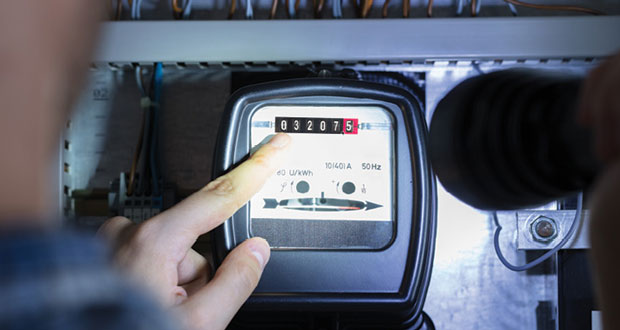
Energy theft in commercial premises typically involves meter tampering, illegal connections, or bypassing the meter altogether to reduce the recorded consumption. While often driven by cost pressures, these practices fundamentally undermine the integrity of a building’s systems.
From an FM perspective, the risks are immediate and severe. Tampering with the electrical metering installation can also bypass or remove critical safety mechanisms that protect people and property from the risks of overloaded circuits and electric shocks. This can lead to damaged plant and equipment as well as significantly increasing the risk of fire and electrocution. Gas theft is even more dangerous, raising the risk of leaks, explosions and carbon monoxide exposure; not just for the offending business, but for neighbouring tenants and the wider community.
Facilities managers are often the first line of defence. They are responsible for maintaining safe, compliant buildings, yet energy theft can remain hidden behind locked risers, shared meter rooms or complex landlord-tenant arrangements. When something goes wrong, the FM team must manage the consequences.
Energy theft may appear to benefit the individual responsible, but the cost does not disappear. Losses linked to energy theft contribute to higher costs across the energy system, which are ultimately reflected in prices and charges paid by honest bill payers.
As well as the operational consequences of energy theft, the contractual and legal implications are serious. Energy theft can invalidate insurance, breach lease agreements and expose building owners and managing agents to regulatory scrutiny. Facilities managers may find themselves navigating complex investigations while keeping buildings operational and occupants safe.
SAFETY RISKS BEYOND THE BUILDING
One of the most concerning aspects highlighted by Stay Energy Safe is the knock-on effect on surrounding properties. Illegal connections and unsafe alterations don’t respect boundaries. Fires can spread rapidly, while gas explosions can affect entire streets or industrial estates.
For those responsible for health and safety compliance, this is a stark reminder: energy management is inseparable from risk management. Cutting corners on energy – whether by a tenant, contractor or third party, can have catastrophic consequences extending far beyond a single meter.
The Health and Safety at Work Act 1974 places the legal duty on employers and employees to ensure workplace safety, including electrical installations, while the Electricity at Work Regulations 1989 requires electrical systems to be properly maintained to prevent hazards.
WHAT FACILITIES MANAGERS SHOULD DO
Regular inspections are vital. Checking meter rooms, risers and plant areas regularly, means being able to spot sudden consumption changes, damaged seals or unusual cabling or pipework; signs which should never be ignored.
However, facilities managers should not investigate suspected energy theft themselves. Concerns should be reported directly to the relevant energy supplier, who can investigate safely and appropriately. Where anonymity is required, or where information relates to another business premises, Stay Energy Safe, operated by Crimestoppers also provides a way to report concerns anonymously, protecting professional relationships while ensuring risks are addressed.
Watch for warning signs:
- Damaged or missing meter seals.
- Unusual wiring or connections around meters.
- Discrepancies between meter readings and actual usage.
- Burn marks or heat damage near electrical equipment.
- Gas odours or evidence of pipe modifications.
ENERGY EFFICIENCY WITHOUT COMPROMISE
Facilities managers play a critical role in helping organisations reduce energy use safely and legitimately. Investment in efficient plant, smart metering and proactive maintenance delivers long-term savings without exposing buildings to unnecessary danger.
In a climate of rising costs, the temptation to cut corners is understandable. But for FM professionals, the message is clear: when it comes to energy- safety, integrity must always come first.
Further information at: www.stayenergysafe.co.uk