 FMJ Facilities Management magazine providing industry-specific intelligence to FM and property professionals

The British climate is nothing if not unpredictable. One morning might bring frost-covered roads and the next sudden downpour, and drivers who rely on their vehicles daily. These shifting conditions put extra strain on many of the vehicle’s components — particularly the wheels. Understanding how weather affects your Range Rover wheels is not merely a matter of performance; it is a matter of safety and long-term value.
Winter Roads and Cold Temperatures
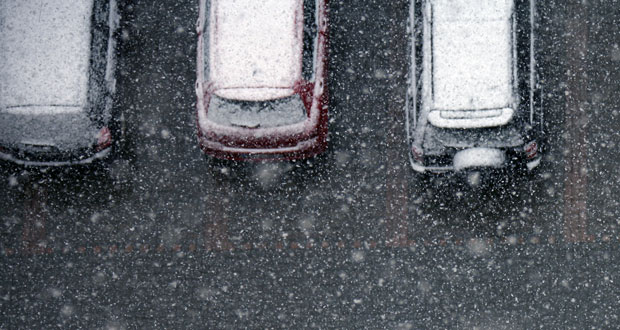
When temperatures fall, tyre pressure drops and alloy wheels are more likely to crack or get kerb damage as the metal contracts and the road hardens. Range Rover wheels are built for different kinds of terrain, but constant exposure to freezing conditions without proper care speeds up wear. Road salt makes things worse, damaging the wheel to finish and corroding both the alloy and brake parts if it isn’t cleaned off regularly.
Choosing Wheels That Match Your Schedule
For professionals managing demanding daily routines, seasonal wheel damage becomes an operational consideration, not just a seasonal inconvenience. Visit now Elite Wheels & Tyres to discover Range Rover wheels that suit unpredictable schedules, from early morning office runs to late evening returns. Choosing the right specification for your environment means fewer unexpected issues and greater confidence on the road, whatever the forecast.
Rain, Grime, and Alloy Deterioration
In wet weather, brake dust and grime from roads pile up faster on alloy wheels. Over time, this can cause the surface to pit and lose its shine. Alloys with a polished or diamond-cut finish need more care than the standard painted finishes. Also, if water stays on the road, there’s a higher chance of aquaplaning unless the tyres match the wheel’s width and specifications well.
Heat, UV, and Summer Wear

Summer heat increases tyre pressure, and prolonged UV exposure can degrade both wheel finishes and tyre sidewalls. Drivers covering long distances in warm weather should check pressures more frequently and watch for hairline cracking carried over from the previous winter.
Maintaining your Range Rover wheels is essential to keep them in good condition, and adopting proactive measures is the best choice in this regard. Regularly wash your wheels to remove dirt, brake dust and corrosive road contaminants — especially after driving. A wheel sealant, applied every two months, protects against moisture and other forms of environmental damage; regular inspections catch scratches, cracks or alignment problems before they lead to expensive repair work. Investing in quality, durable Range Rover wheels not only enhance the vehicle’s appearance but also improves safety.
-ends-
The view or information contained within these unedited press releases, are that of the company producing it and not necessary the views of kpm.