 FMJ Facilities Management magazine providing industry-specific intelligence to FM and property professionals

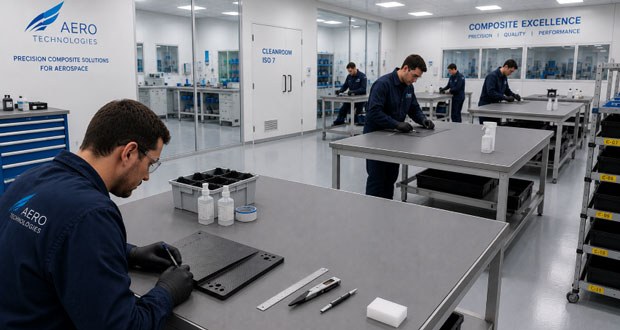
Mark has just finished reviewing the results of his company’s latest employee wellbeing survey. The scores are encouraging. Staff value the investment in mental health support, flexible working and occupational health initiatives. But as Facilities Manager for a busy engineering site, he knows wellbeing is influenced by more than policies and programmes. Every day he walks through workshops where technicians spend hours assembling, repairing and cutting materials. He also sees worn workbenches, cluttered workstations and damaged cutting surfaces that make those tasks more physically demanding than they need to be.
It’s a reminder that employee wellbeing is also shaped by the physical environment people work in. Across the UK, thousands of employees carry out repetitive cutting, assembly, maintenance and repair tasks at workbenches. When those workstations are poorly organised, damaged or unsuited to the task, the result can be unnecessary physical strain, reduced productivity and an increased risk of accidents.
Conversely, well-designed workbenches contribute to a safer and more comfortable working day. Appropriate working heights, organised storage and stable work surfaces help reduce awkward movements, minimise fatigue and allow employees to work more efficiently throughout a shift.
One aspect that is often overlooked is the condition of the work surface itself. In many workshops, maintenance teams continue to work on benches that have become scarred by years of knife use. Grooves, uneven surfaces and improvised coverings can reduce cutting accuracy and make knife work less predictable.
Installing dedicated cutting surfaces, such as heavy duty workbench protection boards or self-healing cutting mats, creates a stable cutting area that helps improve knife control while protecting both the workbench and the item being worked on. While these products are not a substitute for good training, safe systems of work or appropriate personal protective equipment, they can form part of a wider strategy to reduce risk during routine cutting tasks.
This is particularly relevant given that hand injuries remain one of the UK’s most common workplace injuries, often resulting in lost working days, disrupted operations and avoidable costs. Small improvements to workstation design can therefore contribute not only to employee wellbeing but also to wider health and safety objectives.
Jake Douglass, Managing Director of Rhino Workplace Innovation, believes facilities managers are increasingly recognising the value of looking beyond traditional safety measures.
“Facilities managers have a major influence on the environments people work in every day. We often think about lighting, ventilation and housekeeping, but the workbench itself deserves the same attention. A well-designed workstation helps people work more comfortably and more consistently. When stable cutting surfaces are included as part of that design, they can also support safer knife handling and help reduce unnecessary wear on both equipment and employees.”
Wellbeing is rarely the result of one major investment. More often, it comes from a series of practical improvements that make everyday tasks safer, easier and less physically demanding.
For facilities managers planning workshop upgrades or reviewing maintenance areas, the workbench deserves a place in that conversation. By treating workstation design as part of employee wellbeing, organisations can support safer working practices, protect valuable assets and create environments where people are better able to perform at their best.
https://rhinocuttingmat.co.uk/
-ends-
The view or information contained within these unedited press releases, are that of the company producing it and not necessary the views of kpm.