 FMJ Facilities Management magazine providing industry-specific intelligence to FM and property professionals

 The cleaning sector is set to be one of the most affected by the advances of AI. Lucy Lloyd, Chief Services Officer of Kingdom Cleaning describes how the workforce can adapt
The digital landscape is continually evolving. To maximise its benefits, it’s crucial as employers that we ensure our teams keep pace with the speed of change and feel confident about what the future of work may look like.
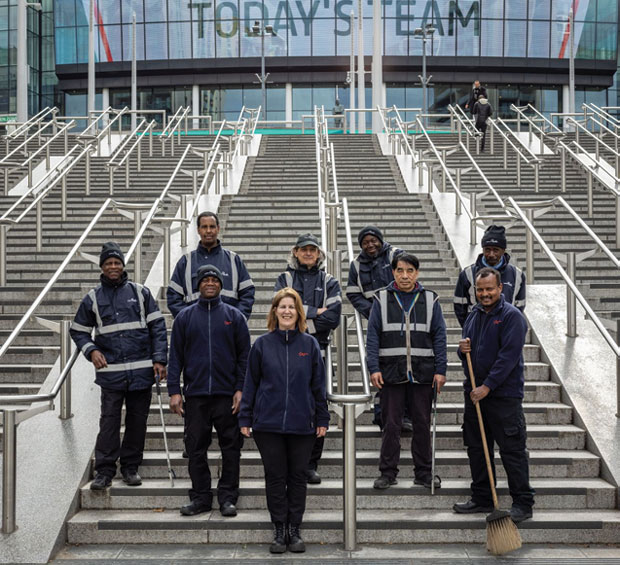
As more firms adopt AI tools, the cleaning sector is expected to be one of the workforces most affected. Successful implementation must therefore start with building staff confidence in digital ways of working.
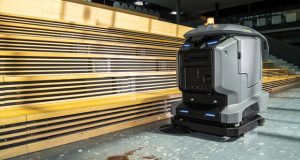
While in the past, many roles within our industry were defined by physical input, repetitive schedules and manual tools, this is quickly changing. The introduction of data-led operations, utilising AI sensors and autonomous machines, is set to change the day-to-day repetitive duties of many junior roles. This means a significant portion of the workforce will shift towards managing machinery and interpreting data rather than manual in-put on a pre-agreed timetable.
To adapt to this shift, upskilling our hygiene staff is therefore an integral part of this new way of working. We want staff to feel confident and able to take charge of their routine, and go where the data tells them, not just be handed a list by head office. If we fail to implement AI under these auspices it will not bring the advantages we hope to see in our sector.
WHAT THIS MEANS IN PRACTICE
In practice, this means organisations are going to have to upskill their teams without delay. According to the Standford HAI 2026 AI Index Report, AI usage will reach 53 per cent of the global population within the next three years. To put this into perspective, the internet took seven years to hit similar levels and personal computing took 15. This means, whether we like it or not, AI models and their use in the workplace are here to stay – so it’s imperative we ensure all staff feel ready and capable to make full use of the benefits on offer.
Hygiene professionals need to receive education on everything from automation to data interpretation. Digital upskilling is not something we should be taking lightly, it should be a priority for all firms wanting to adapt and keep up with this data-driven progression. By taking this change in our stride, we are showing our colleagues that AI is not something to fear but rather a powerful tool that can aid us in proving our clients’ pristine services.
The cleaning industry, which employs roughly 1.51 million people across the UK (Policy Bee), has a higher proportion of workers over 55 than the broader UK average and cleaning staff hold lower levels of formal qualifications compared to the wider economy.
This may create challenges for firms wanting to upskill workers, who are wary to both embrace new technology and gain further education or qualifications later in life. It’s a challenge we must tackle head on, by developing internal training, setting aside time during the working week to learn these new skills and systems.
While this could create short-term impacts on immediate business needs, it’s important to view upskilling as a long-term investment. Many hygiene professionals will have performed their roles with extensive manual input for many years, and it’s important to understand how extensive a shift AI ways-of-working will be.
Employers must understand this and be ready to shift long held perceptions or trepidation from teams. The organisations that guide their teams will adapt to this technology much quicker and smoother.
THE BENEFITS OF DIGITAL UPSKILLING
AI is quickly transforming our industry and the roles within it. Not only will firms be able to perform tasks with more efficiency and effectiveness, but deliver higher-quality, more accurate services for our clients that is supported by real-life data.
For our cleaning staff, AI integration means a move away from repetitive routine tasks and this digital knowledge creates specialised and technical roles for our colleagues, who can now dedicate themselves to automation and data interpretation. With this upskilling we’re building a workforce of hygiene professionals who hold a wider expertise, have a stronger sense of purpose and professionalism, and greater confidence. As a result, we’ve seen how work satisfaction and staff retention are boosted across the board.
The opportunities AI presents for our sector are endless; this data revolution has only just begun. As employers, our commitment to upskilling our colleagues is therefore a vital leverage to access these new prospects and completely optimise the way we work.
Both the speed and scale of AI integration mean this is something we can’t afford to get wrong. We’re going where the data leads us and simultaneously creating a new type of hygiene professional, one armed with human technical precision and digital know-how.