 FMJ Facilities Management magazine providing industry-specific intelligence to FM and property professionals

 Security professionals are often seen as the people who respond when something goes wrong. But increasingly, the role is just as much about creating positive experiences, supporting people and helping organisations build safe, welcoming environments
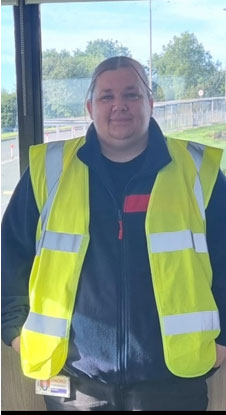
On International Security Officers’ Day (24 July), Jillian Mackinnon, Cluster Security Manager and a Sodexo colleague of 10 years, reflects on her career in security, the importance of customer service and safeguarding, and why the profession is ultimately about protecting people.
A career built around helping others
Mackinnon’s route into security began in customer service before moving into event stewarding, where she gained experience managing crowds and responding to unexpected situations.
It was there she discovered a passion for roles that combined responsibility, quick thinking and a strong focus on people.
“What attracted me most was the opportunity to make a real difference to people’s safety and wellbeing every day while continuing to develop my skills in a rewarding and varied profession,” says Mackinnon.
Today, she leads security operations across client sites in corporate services, combining operational expertise with a people-first approach.
Creating safe and welcoming environments
For Mackinnon, the most rewarding part of the job is helping people feel safe, supported and reassured.
Whether assisting a visitor, responding to an incident or simply providing a visible presence on site, she believes security professionals can make a positive difference every day.
“It’s incredibly rewarding to know that my work contributes to a safe environment for colleagues, clients and customers,” she says.
She also credits the support and encouragement she has received throughout her career, highlighting the importance of creating workplaces where people feel valued and able to develop.
Technology supporting smarter security
Like many areas of facilities management, security continues to evolve through technology.
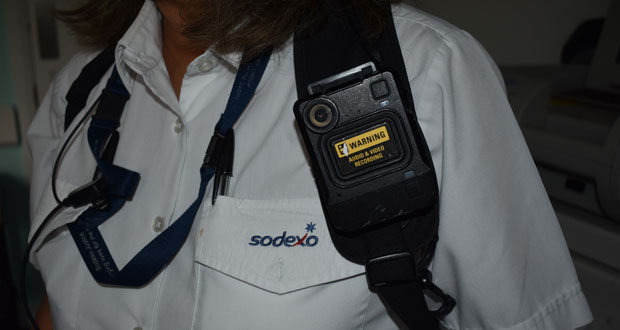
Advanced CCTV, digital reporting tools, access control systems and real-time monitoring platforms have helped security teams become more efficient and responsive.
“Technology also enhances situational awareness, improves communication and supports faster decision-making, allowing us to better support the people and sites we protect,” says Mackinnon.
While technology plays an important role, she believes effective security still relies on strong communication, sound judgement and the ability to build trust.
When vigilance made all the difference
One experience from Mackinnon’s career remains a powerful reminder of the importance of safeguarding.
While working as an event security steward during Winter Fest in Glasgow, she noticed a vulnerable young woman who appeared heavily intoxicated and potentially at risk.
Trusting her instincts and following safeguarding procedures, Jillian intervened and ensured the woman was moved to a safe location while appropriate support was arranged.
“That incident reinforced for me that security is about far more than protecting property or enforcing rules,” she says.
“At its heart, it is about protecting people, particularly those who may be vulnerable and unable to protect themselves.”
More than a visible presence
Security teams are often among the first people visitors, contractors and colleagues encounter when they arrive on site.
Their role extends far beyond protecting assets and responding to incidents. They help build trust, provide reassurance and contribute to workplace cultures where people feel safe and supported.
“Security is about much more than preventing incidents,” says Mackinnon.
“It’s about building trust, supporting people, delivering excellent service and contributing to a positive workplace culture.”
For Mackinnon, that people-focused approach is what makes the profession so rewarding and why she remains proud to work in security every day.
For more information see: Facilities Management Services