 FMJ Facilities Management magazine providing industry-specific intelligence to FM and property professionals

 THE FM PROVIDER’S VIEW
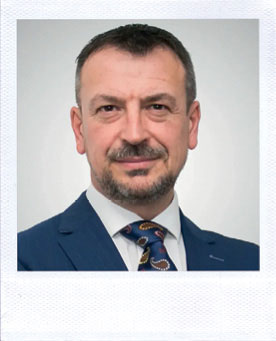
ANDREW LEWINTON,
VP QUALITY, HEALTH, SAFETY AND ENVIRONMENT (QHSE) ABM UK&I
Facilities management plays a vital role in addressing mental health across both its own workforce and client environments. In the UK and Ireland, our approach starts from a simple principle that wellbeing and safety are inseparable. Creating environments where people feel physically and psychologically safe is fundamental, and it’s embedded in how we operate every day.
A key part of that is ensuring the right support is available on the ground. Mental health support must be designed with the workforce in mind, particularly in FM, where many people are frontline, remote, or less digitally connected.
Across our business, we have trained Mental Health First Aiders (MHFAs) who provide an accessible, immediate point of contact for team members who may be struggling with work-related pressures or challenges outside of work. This helps normalise conversations, offer early support and signpost further help where needed. Importantly, we are continuing to evolve how that support is accessed, removing barriers and ensuring it is inclusive and reachable for frontline team members as well as those in office-based roles.
Alongside this, we take a proactive approach through regular wellbeing communications and a strong, accessible Employee Assistance Programme (EAP), again ensuring support is visible, easy to access and relevant to everyday challenges.
Culture across the industry is equally important. We’ve built an environment where people feel comfortable speaking up, where inclusion is prioritised and where wellbeing is a shared responsibility. Our ‘Think Safe’ approach reflects this, going beyond traditional safety measures to ensure people feel empowered, supported and able to raise concerns. This is reinforced through our Disabilities & Carers Impact Group, which helps ensure that mental health, accessibility and lived experience are reflected in how we design policies and working environments, so that people can be their authentic selves and thrive at work, and in life.
Industry-wide initiatives also have a key role to play. Programmes like our annual Safety Week keep wellbeing front of mind, while external recognition helps set standards. ABM’s multiple RoSPA Gold Awards are a strong reflection of our ongoing commitment to health, safety and wellbeing across the business.
For the FM sector, the lesson is clear: addressing mental health demands a joined-up approach that combines frontline support, leadership commitment and a strong, inclusive culture. That means recognising that mental health does not sit in isolation – it intersects with other aspects such as disability, caring responsibilities and wider wellbeing.
FM providers are uniquely positioned to influence both the environments’ people work in and the experiences of the people who maintain them. Investing in the right initiatives, as we have done, and embedding wellbeing into safety programmes and creating inclusive structures can make a tangible difference.
 THE FM RECRUITER’S VIEW
CHRIS SYCAMORE,
ASSOCIATE DIRECTOR FM, COBALT RECRUITMENT
As a sector FM is trying to transform itself from a secondary career to the first-choice option for young people entering the UK workforce. But we must be alert to the fact that we’re trying to appeal to a generation for which mental health issues are far more prevalent. According to the Youth Future Foundation, between 2000-2019, the number of 16–25-year-olds presenting to primary health care with mental health issues tripled, so for FM to appeal to this generation we need to adjust workplace strategies accordingly.
One way we’re seeing this addressed is through more businesses utilising Employee Assistance Programmes (EAP) as part of their benefits packages. These can directly relate to mental health through access to online counselling but crucially also cover many other aspects such as financial planning, legal advice, access to virtual GPs and more. These serve as a key alleviator of factors that contribute to mental health issues, making them an invaluable tool for businesses.
However, for me, EAP’s serve as a sticking plaster rather than an antidote to the problem. For that we need broader action across the industry. Mental health issues do not arise in a vacuum but due to a myriad of factors such as economic pressures, employment insecurity and the rise of social media which all need to be addressed.
The elephant in the room for me is workload.
Facilties are still seen as a cost by the wider industry, which can leave it under-resourced and overworked. It’s not uncommon to find employment gaps plugged by adding responsibilities onto other staff for sustained periods and in a role that already involves spinning many plates this can be a key recipe for burnout.
It’s also worth noting that in a survey conducted by Cobalt, 83 per cent of UK FMs said they were dissatisfied with their salary, highlighting a perceived imbalance between responsibilities and reward exists in the industry. Facilities Managers understand the need to muck in, but if this becomes the status quo without reward & recognition, we’re simply creating a petri-dish for mental illness and then chucking future FM’s in at the deep end.
Secondly, we need to address management. Eighty per cent of FMs surveyed reported having no formal training in the last year whatsoever – let alone on management and mental health first-aid. In an overworked industry, managers are no exception and can be forgiven for resorting to the way they themselves were managed.
However, we need to realise that for a new generation of FM’s resiliency needs to be learned not assumed. This requires us to equip our managers with the tools, time, and training to coach this into them.
Lastly, I would encourage businesses to explore building stronger social networks within their FM teams. Whether by mentor schemes, workshops or socials, we need to create more opportunities to build internal relationships. Those in regional roles may spend more time travelling alone than interacting with others in their shoes, and Building Managers are not immune to this isolation. It’s crucial we build connections with those that can understand and empathise with the workplace stresses we face otherwise these issues can fester and become bigger, particularly for the next generation which is less equipped for this initially.
Simply put, FM can be a stressful, unpredictable job, that often goes unrecognised as the positive parts of your work take place behind the scenes. In this environment, looking after your team’s mental wellbeing isn’t a “nice to have” initiative, it’s a fundamental investment that keeps the industry’s talent pipeline from running dry.