 FMJ Facilities Management magazine providing industry-specific intelligence to FM and property professionals

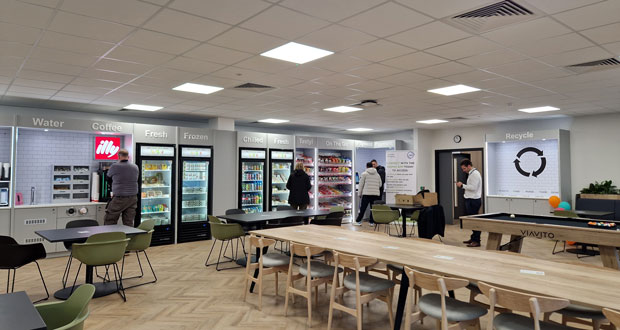
Employee eating habits have shifted considerably. The structured three-meal routine has mostly disappeared and snacking, irregular mealtimes and on-the-go consumption is on the rise. While this presents opportunities, it also presents challenges regarding how we manage our waste.
The UK wastes around 9.5 million tonnes of food annually. Workplace canteens see this play out daily through overstocked fridges, surplus catering and items that sit untouched until someone clears them out.
Data-Led Vending: Where Telemetry Meets Stock Management
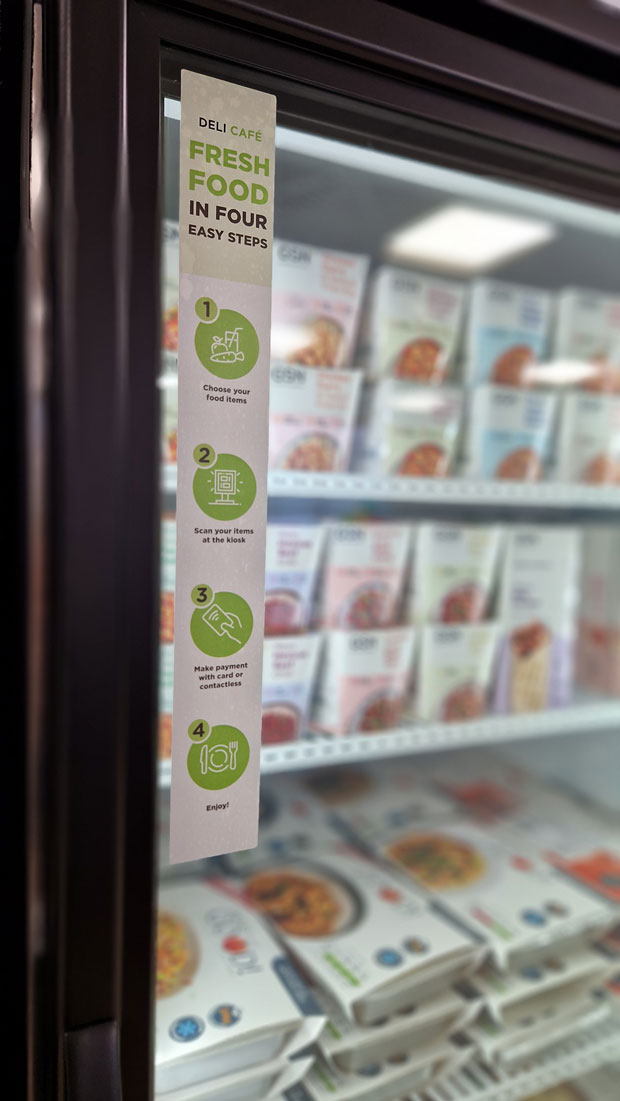 Vending machines equipped with smart telemetry offer a different model to traditional canteens. Real-time data tracking enables operators to see what products are selling, at what times and in what quantities. Rather than restocking based on estimates, ranges are replenished according to current consumption patterns, immediately reducing the volume of unsold items. However, technology only works when it’s backed by proper operational procedures.
At Connect Vending, we use this data to tailor each site’s product range to match the demographics and preferences of its workforce. A distribution centre with early-morning shift workers requires a different selection from a professional serviced office in the city centre. By analysing site-specific consumption data, we adjust not only what goes into the machines but how it’s merchandised using colour placement and brand positioning to maximise uptake.
Our retail merchandisers carry out regular fresh food audits on site, rotating stock and removing products before they reach their expiry dates. Several of our smart fridges also feature safety-lock mechanisms that automatically prevent access once a product passes its use-by date, providing an additional failsafe to complement the human checks.
Giving Surplus a Second Life
Even with tight stock management, some surplus is inevitable. The question is what happens to it. Since October 2022, Connect Vending has partnered with Olio, a food rescue organisation, to extend our social responsibility beyond the workplace.
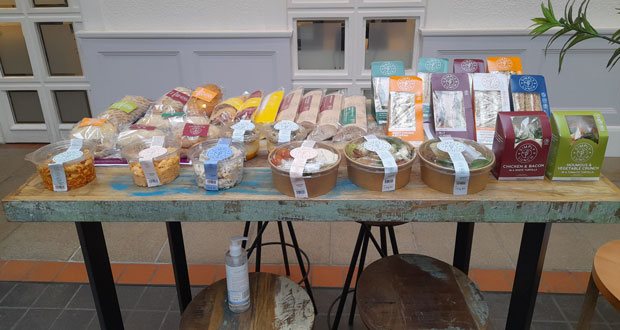
This partnership creates a meaningful second life for surplus food that would otherwise be wasted. Olio coordinates volunteers to visit our sites to collect surplus food items that are still perfectly edible. The redistribution model creates a safety net for items that cannot be consumed within the workplace timeframe, ensuring that edible food reaches people who can use it rather than ending up in landfill.
The results to date speak for themselves. Across 363 collections, 2.9 tonnes of edible food have been donated, the equivalent of 6,600 meals reaching 577 local families. On the environmental side, that amounts to 11,900 kg of CO₂ emissions avoided and the equivalent of 549 trees planted. We also work with local food banks alongside Olio, so that as many routes as possible exist for surplus food to reach someone who needs it, rather than ending up in a bin.
A Practical Path Forward
Telemetry led by stock management, site-specific merchandising and structured redistribution has given Connect Vending a model that addresses food waste at each stage. Surplus is reduced because machines are stocked against real demand. What remains goes to families who need it with 6,600 meals redistributed and counting, and Olio’s quarterly impact reports provide facilities managers with hard data to track progress against sustainability targets.
Elyas Coutts is the CEO of Connect Vending, delivering innovative food and beverage solutions to organisations all over the UK.
For more information visit https://connectvending.co.uk, email sales@connectvending.co.uk or call 01865 341 011.
-ends-
The view or information contained within these unedited press releases, are that of the company producing it and not necessary the views of kpm.