 FMJ Facilities Management magazine providing industry-specific intelligence to FM and property professionals

Under the F-Gas regulation, operators and manufacturers of equipment containing fluorinated greenhouse gases (F-gases) of 5 tonnes of CO₂ equivalent or more (exemptions apply), based on the Global Warming Potential (GWP) of the refrigerant used, must keep records for at least five years to adhere to regulatory compliance.
These records must include detailed information on all F-gas-related activity – from a full inventory of equipment and refrigerant types to initial charge sizes and ongoing maintenance. This includes documenting work such as refrigerant top-ups, leak checks, and decommissioning, alongside the companies and certified technicians responsible, ensuring full traceability and accountability.
Non-compliance can lead to substantial financial penalties and legal action, seriously threatening both reputation and operational continuity.
However, while the requirements are clearly defined, managing them effectively in practice is often far more complex – particularly for organisations operating across multiple sites or large-scale HVAC-R systems.
The challenge of effective refrigerant management
Tracking refrigerant isn’t just about meeting regulatory requirements, it’s about maintaining system performance, controlling costs, and reducing environmental impact.
Even small refrigerant losses can reduce system efficiency, increase energy consumption, and lead to more frequent maintenance interventions. At the same time, many modern refrigerants have a high Global Warming Potential (GWP), meaning leaks can carry a significant environmental and financial cost.
Despite this, many organisations still rely on traditional tracking methods such as spreadsheets. While familiar, these approaches are often cumbersome and inadequate for managing complex HVAC-R environments. Data can become fragmented, processes inconsistent, and compliance difficult to demonstrate.
When on the job, your focus should be on system performance, not navigating outdated or disconnected tracking systems.
A smarter approach to refrigerant tracking and compliance
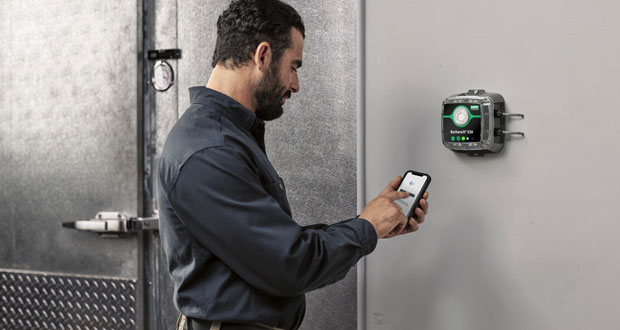
The MSA Parasense Refrigerant Tracking & Compliance Platform is designed to simplify refrigerant management while supporting full F-Gas compliance.
By centralising data, automating key workflows, and providing clear system visibility, the platform helps organisations reduce administrative burden, improve traceability, and take a more proactive approach to managing refrigerants.
Tracking refrigerant is just the beginning – Parasense is built to support more efficient, informed decision-making across HVAC-R operations.
Key features of the MSA Parasense platform
To support both compliance and operational performance, the Parasense platform provides a range of capabilities designed to give users greater visibility and control:
- Inventory management for HVAC-R equipment
A centralised, real-time asset database tracks systems by key data points including make, model, refrigerant type, charge size, and Global Warming Potential (GWP). This supports accurate record-keeping and helps determine leak-check frequency and regulatory requirements. - Cylinder and bank management
Track stored refrigerant across sites and depots, including allocation, usage, and recovery. This help make sure a clear and auditable record of refrigerant movement, supporting compliance and reducing the risk of loss. - Regulation workflow and compliance calendar
Automated scheduling of mandatory activities such as leak checks, servicing, and recalibration supports making sure that all F-Gas requirements are met. Complex regulations are translated into clear, actionable tasks, with full visibility of historical activity for audit purposes. - Leak identification and system insights
A complete record of service and maintenance activity allows users to identify patterns such as frequent refrigerant top-ups – often indicating underlying leaks that require attention. This supports earlier intervention and improved system efficiency. - Complete audit trail
All HVAC-R activity is recorded in a centralised system, including inspections, repairs, and refrigerant handling. This simplifies compliance reporting and aids full traceability. - Fast, comprehensive F-Gas reporting
Generate detailed compliance reports quickly and efficiently, reducing administrative effort and supporting audit readiness.
Turning compliance into operational advantage
As regulatory pressure increases and HVAC systems become more complex, organisations need more than basic tracking tools.
A structured, digital approach to refrigerant management not only supports compliance but also improves system performance, reduces refrigerant loss, and helps control operational costs.
With greater visibility and control, organisations can move beyond reactive compliance and take a more proactive approach – identifying issues earlier, improving efficiency, and reducing environmental impact.
If you’re ready to simplify refrigerant compliance and gain greater control over your HVAC-R systems, contact an MSA Safety expert today!