 FMJ Facilities Management magazine providing industry-specific intelligence to FM and property professionals
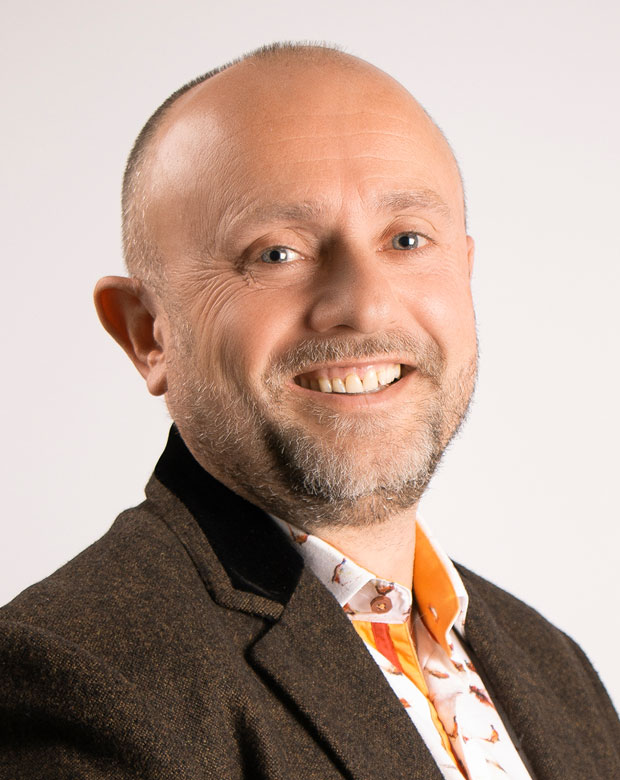 By Adam Atkins Group CEO and Co-Founder of Coat Facilities Group
Procurement of Facilities Management can often feel like a tick box exercise: is the tender affordable, does it encompass all the services needed, and will the provider achieve a raft of KPIs? If yes, then the company signs a contract, and then repeats the whole process a couple of years down the line.
But what if things were different? A shift in focus towards longer-term, stronger partnerships where the provider can truly feed into the wider business objectives, would no doubt drive innovation, elevate service provision, and lead to much better outcomes for the industry and its clients alike.
Developing strategic partnership models
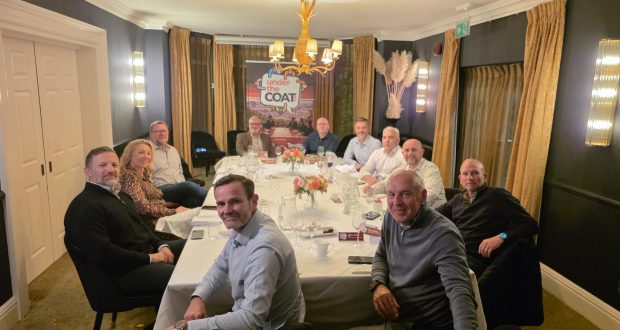
The cost-driven, procurement-led model which has been in operation for many years is seen by FM leaders as limiting their ability to deliver long-term strategic value. It was a major focus at the recent Under the Coat roundtable, with short contract lengths, an excessive focus on KPIs and SLAs, and reactive ‘just in time’ approaches being cited as key barriers to investment, innovation and true collaboration.
When contrasted with increasing expectations around ESG, workplace experience and business resilience, being seen as providers rather than partners becomes a real issue – and it is now clear that perspectives must change to create the type of strategic partnerships which enable all of those priorities to be realised.
It seems there is willing to transform models: 78 per cent of organisations ranked their FM partner having a deep understanding of their businesses as the most important selection criteria, according to the JLL Global State of Facilities Management Report. With this ranking above most other traditional procurement considerations, it provides some hope to the sector that clients are realising that cheaper does not always mean better, and the value of strategic rather than transactional decisions.
Innovation and investment
Procurement guidance from RICS notes that longer contract terms are likely to deliver better value where a strategic relationship is sought. It’s a message that FM providers have been sharing for a while: it can take years to see the full extent of benefits associated with innovation and investment in technology, asset intelligence systems, decarbonisation programmes and predictive maintenance platforms.
This means the sector is essentially caught in a trap: wanting to enhance all of these areas, yet limited by short-term contracts. Because the return on their investment is unlikely to happen before the end of that contract, providers end up in a tender, mobilise, stabilise, re-tender cycle rather than the cycle they would like to be in: tender, improve, innovative, transform.
How to measure success
When businesses measure procurement success based on cost reduction, compliance and risk mitigation it creates a clear incentive to select an FM provider based on price and reliability. Neither of these generates an environment where innovation and investment are encouraged – or even feasible in some cases. Instead, resources are concentrated on meeting KPIs around response times, help desk performance and maintenance compliance.
Whilst all of these factors are essential to a well-run FM service, they do little to extend asset life, enhance workplace experience, reduce carbon footprints or bolster operational resilience. The result is activity is closely monitored throughout the contract, but outcomes rarely factor into the equation. And where the client dictates the terms of the SLA, the KPIs in place, and the contract length, it can never be a true partnership – the relationship remains one of supply and demand.
If success measurements were linked more closely into the overall business aims, we would likely see an increase in the deployment of AI and smart building technology to improve efficiency and sustainability whilst enhancing the clients’ estate. FM teams would be able to truly impact the businesses they work with, rather than simply providing a service.
A shifting dynamic
The call from FM leaders is clear: tactical procurement does not result in strategic outcomes. The process needs a shake-up to enable providers to deliver objectives linked into wider business aims around ESG, employee experience and resilience – rather than simply being service-based.
Longer-term contracts as standard must form part of this shifting dynamic, to enable innovation to flourish, and a true understanding of the clients’ business to develop.
We know that FM can deliver services, the sector now needs the chance to prove it can deliver business outcomes. Procurement teams must stop looking for someone selling the services they need, and instead seek a partner to work alongside them in achieving their aims. Once the partnership is formed, they must be provided with the opportunity to showcase their true potential by working hand in hand to deliver better-performing buildings, assets which utilise innovative technology, and outcomes that truly matter.